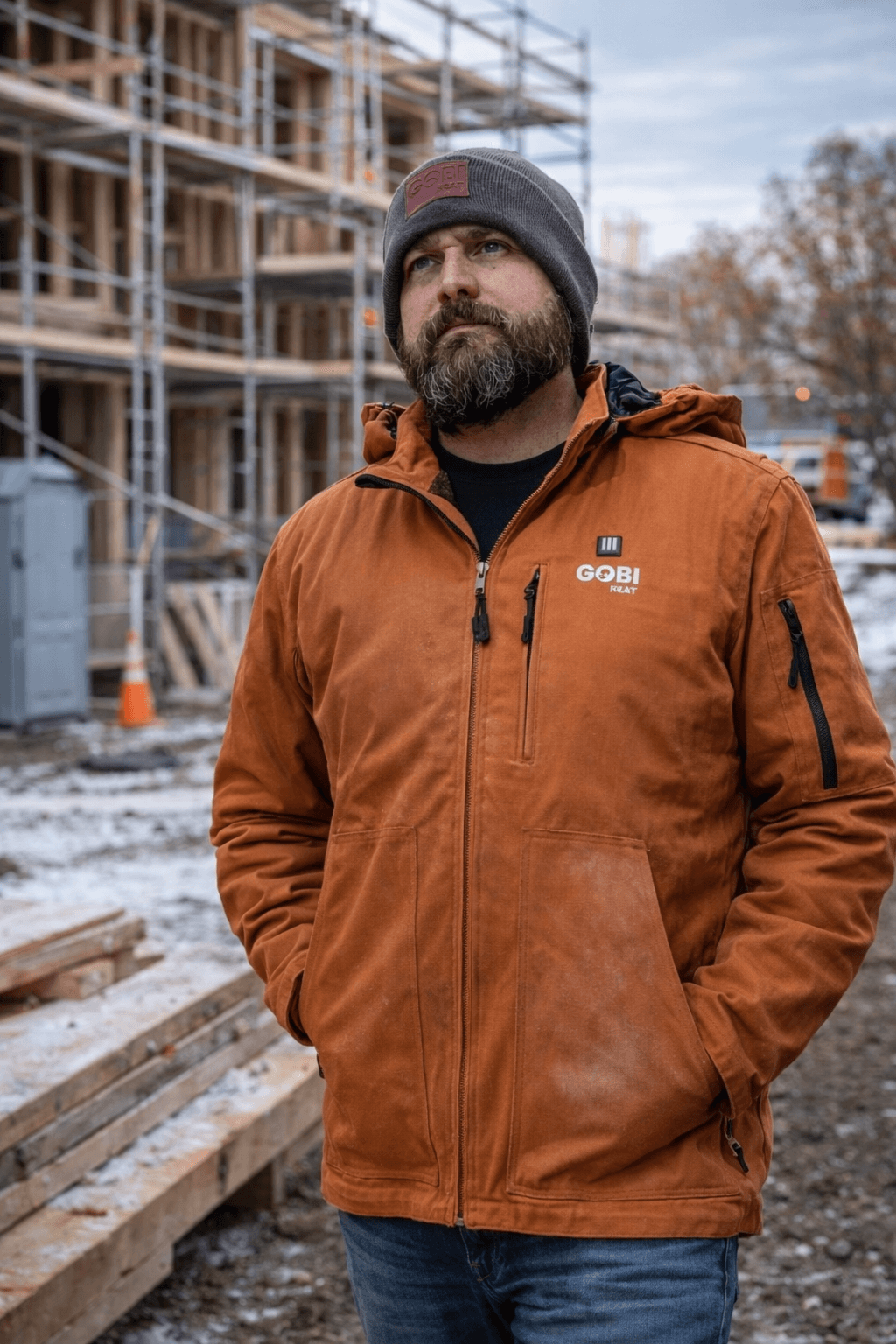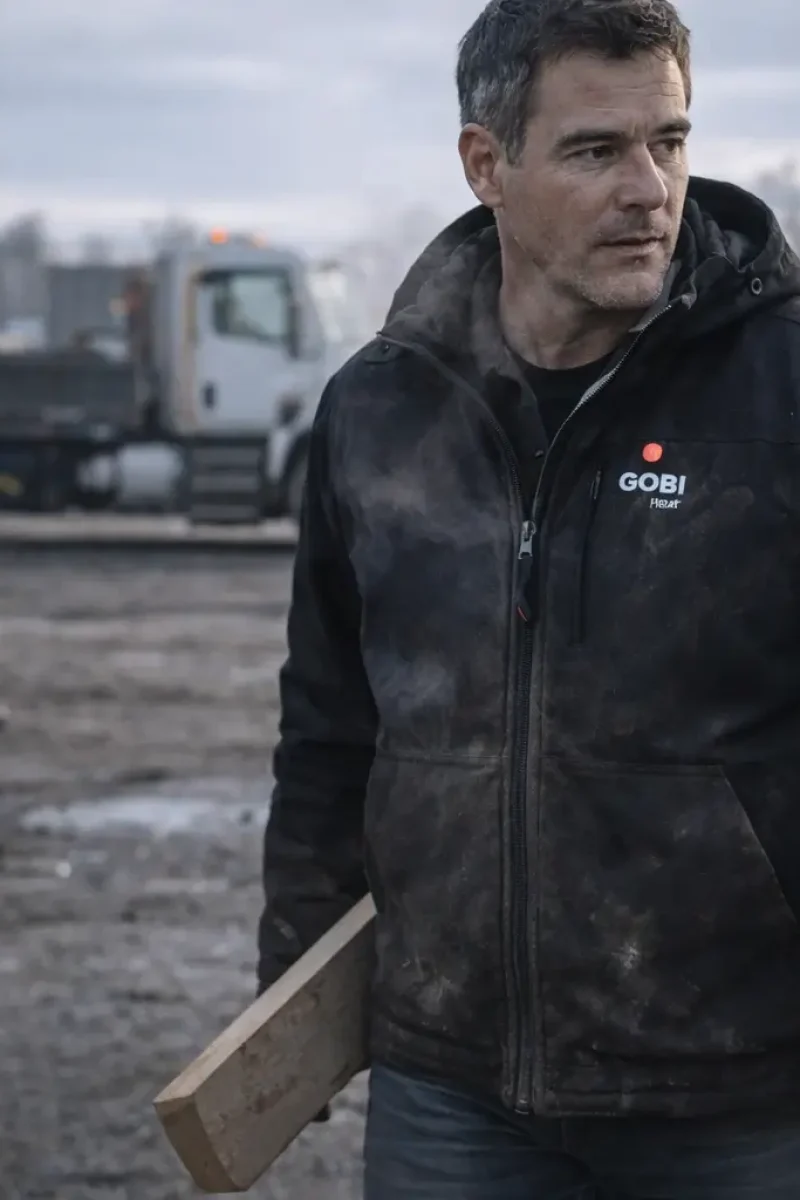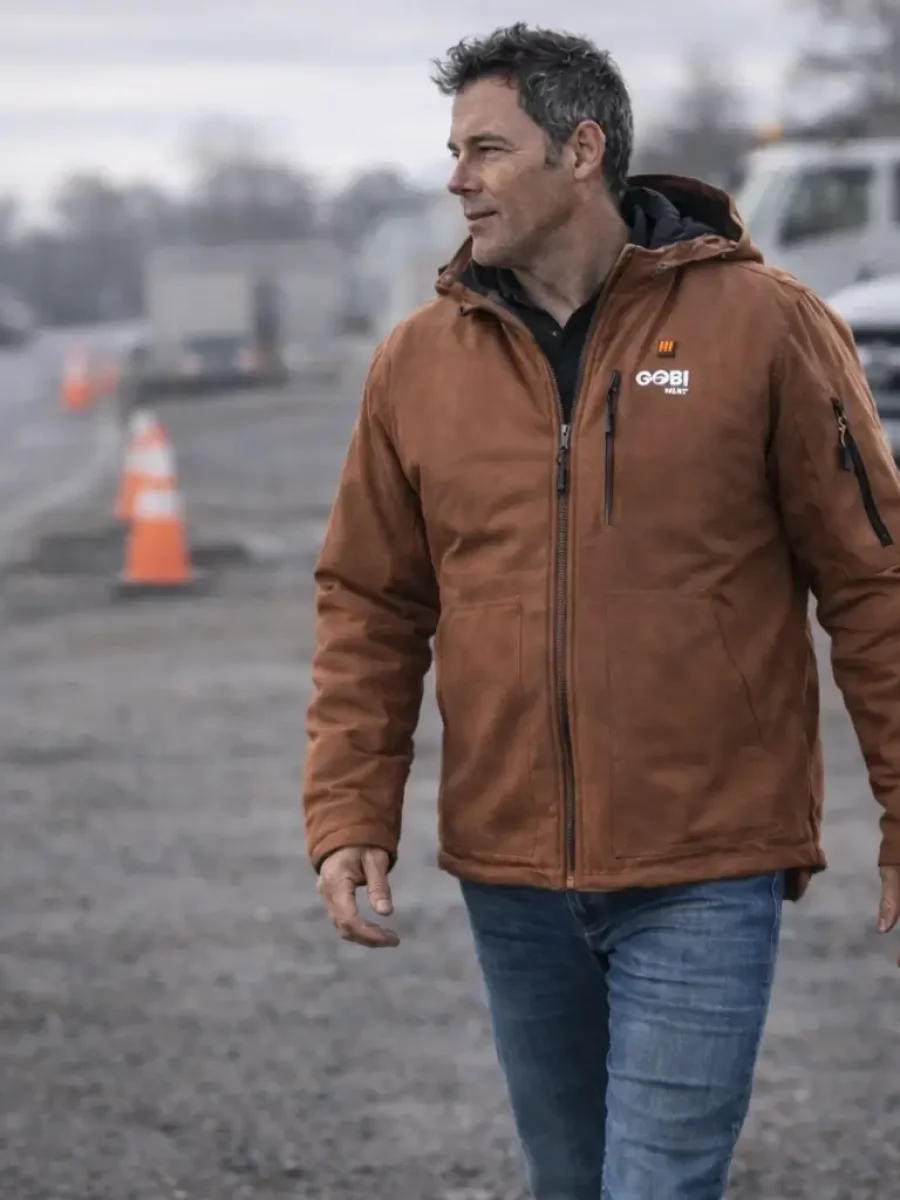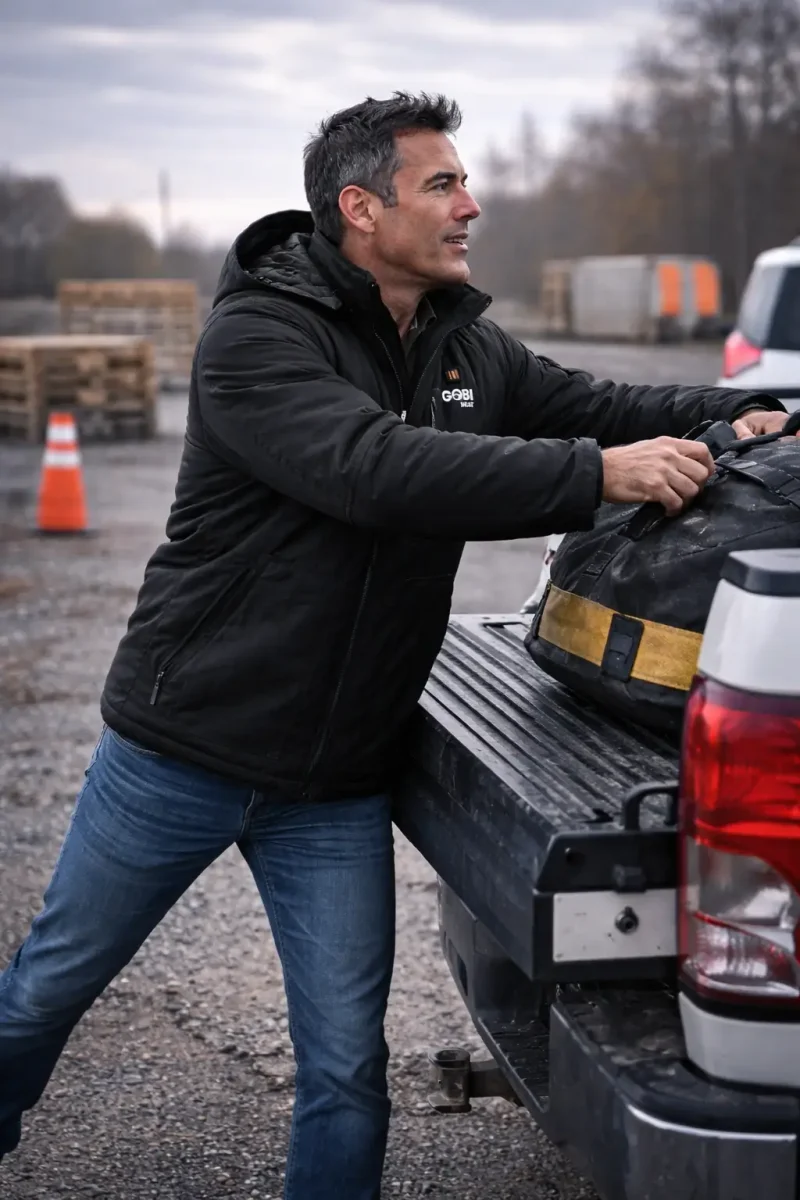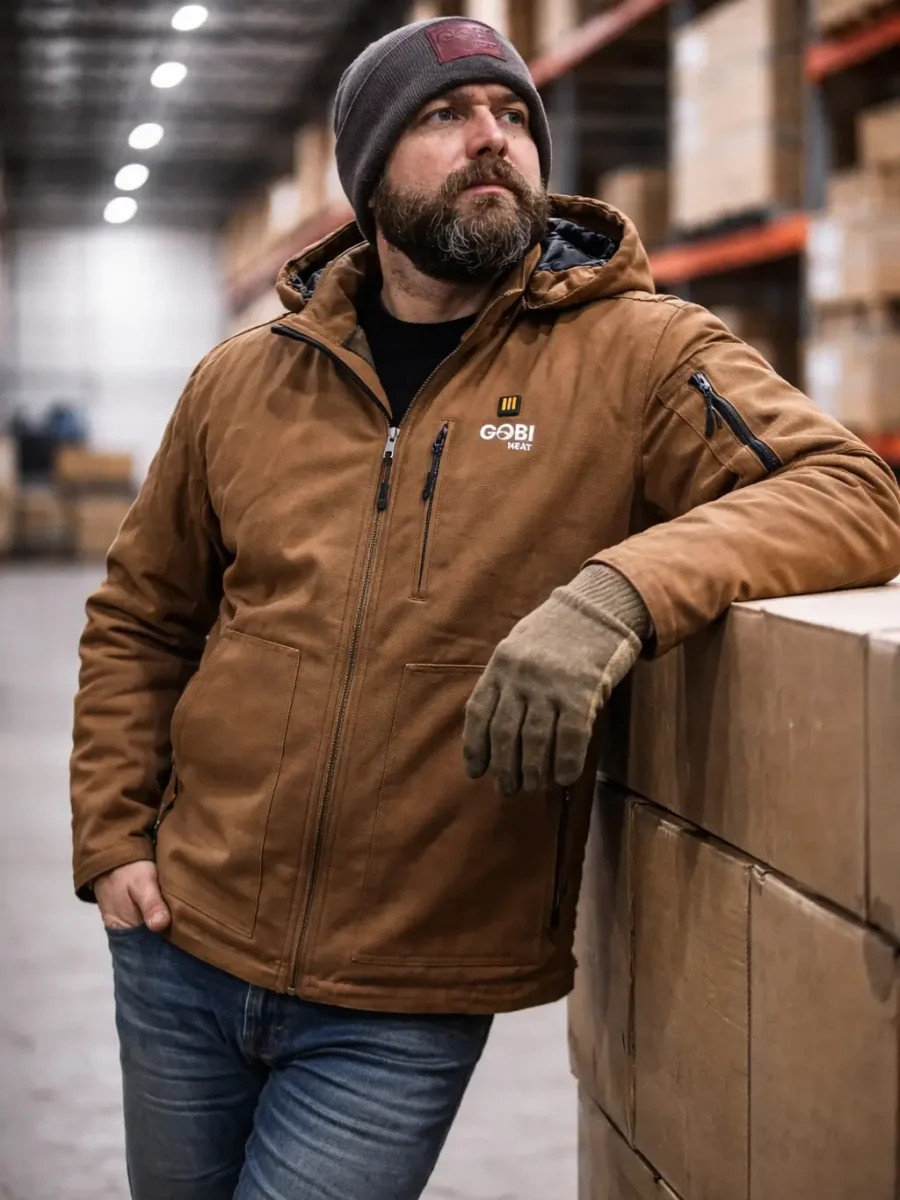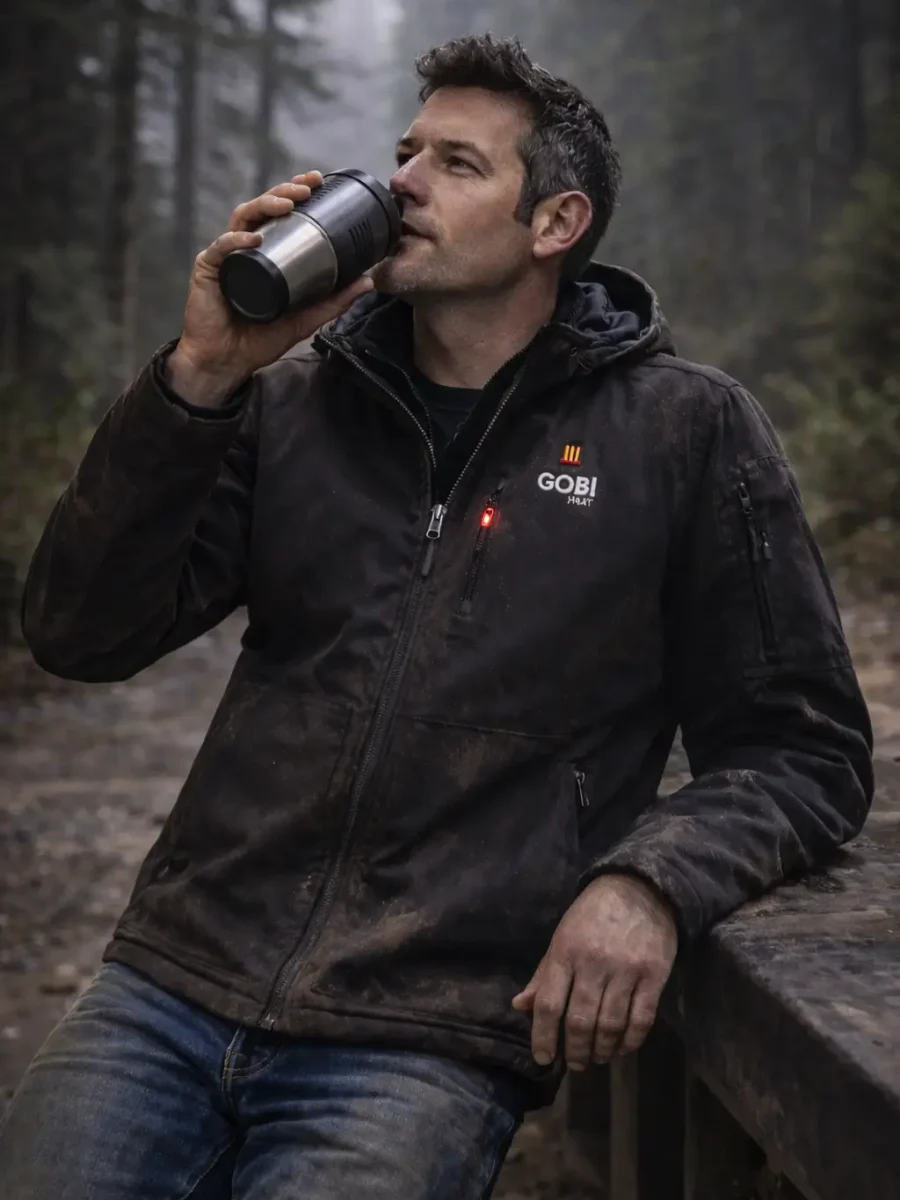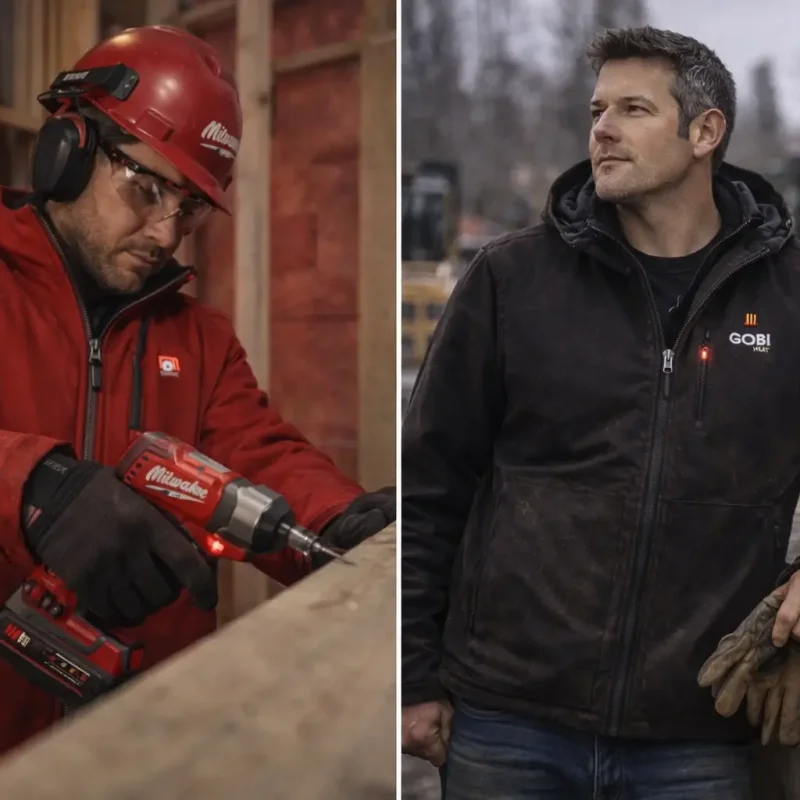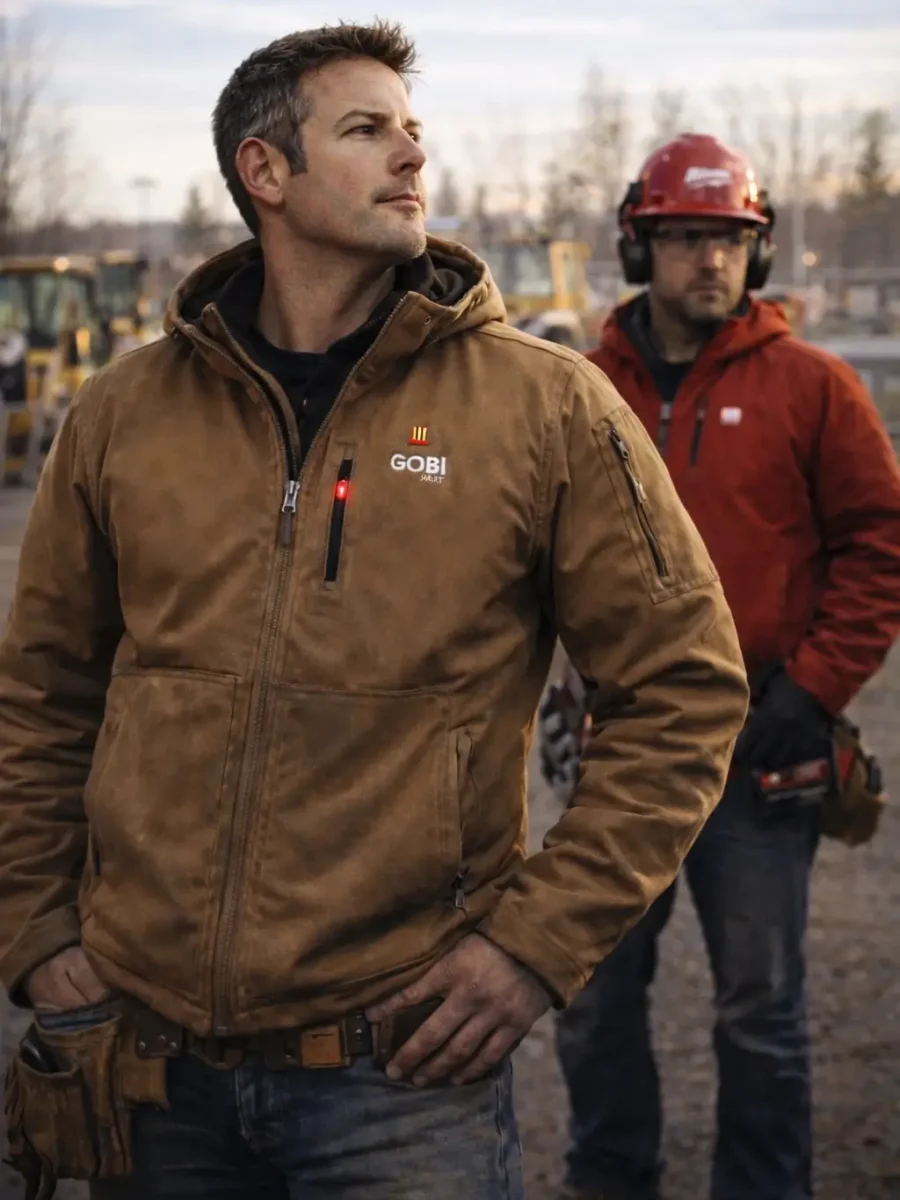
Choosing between a grit vs milwaukee heated jacket comes down to one thing: staying productive when the job site will not slow down for the cold. This milwaukee heated jacket comparison breaks down which option delivers better job-site durability, battery performance, and all-day comfort so you can focus on the work instead of fighting freezing conditions across today’s heated work jackets for men.
Whether you’re starting before sunrise or finishing long after dark, this comparison shows which heated jacket delivers job-site durability, reliable battery performance, and all-day comfort so you stay productive through every demanding work shift outdoors.
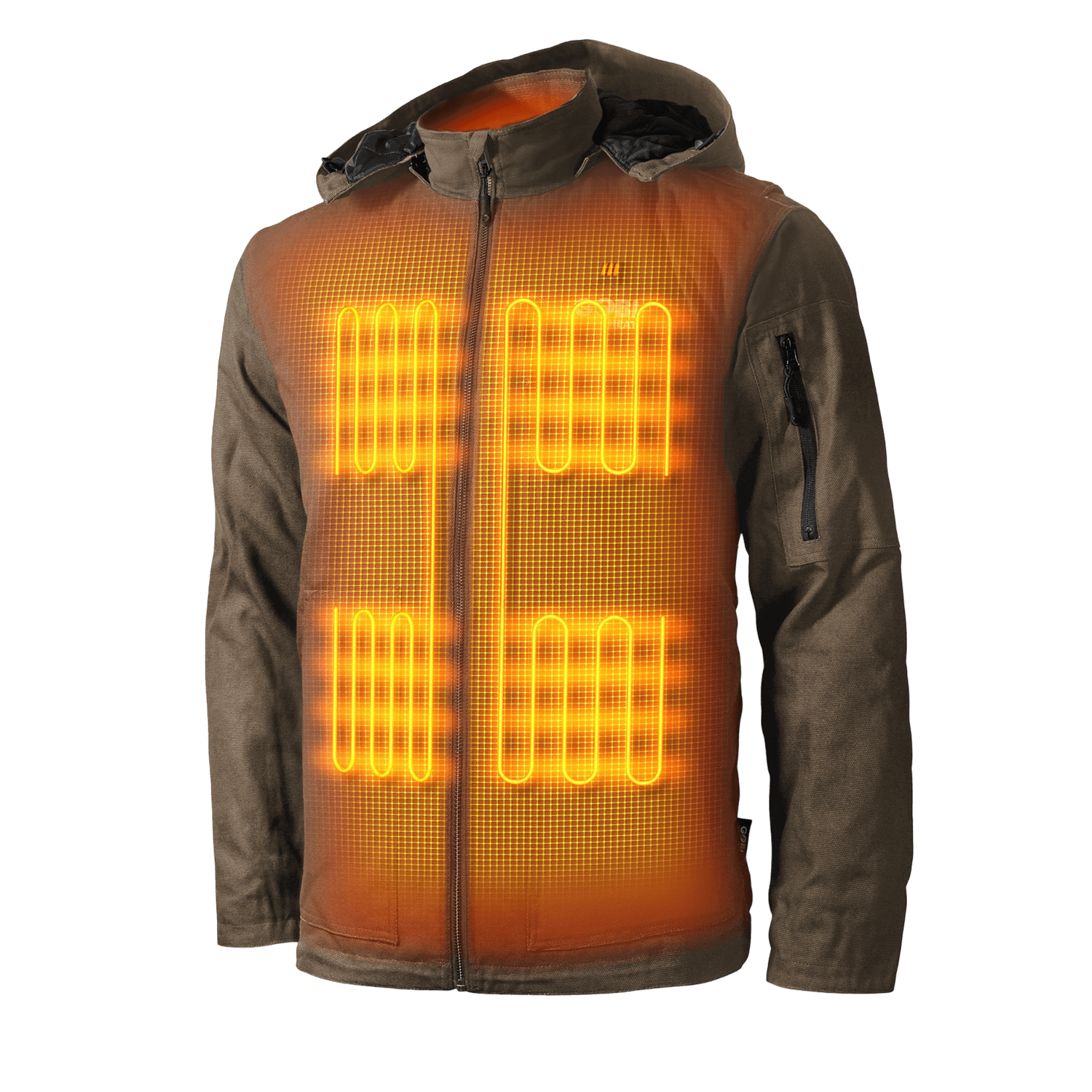
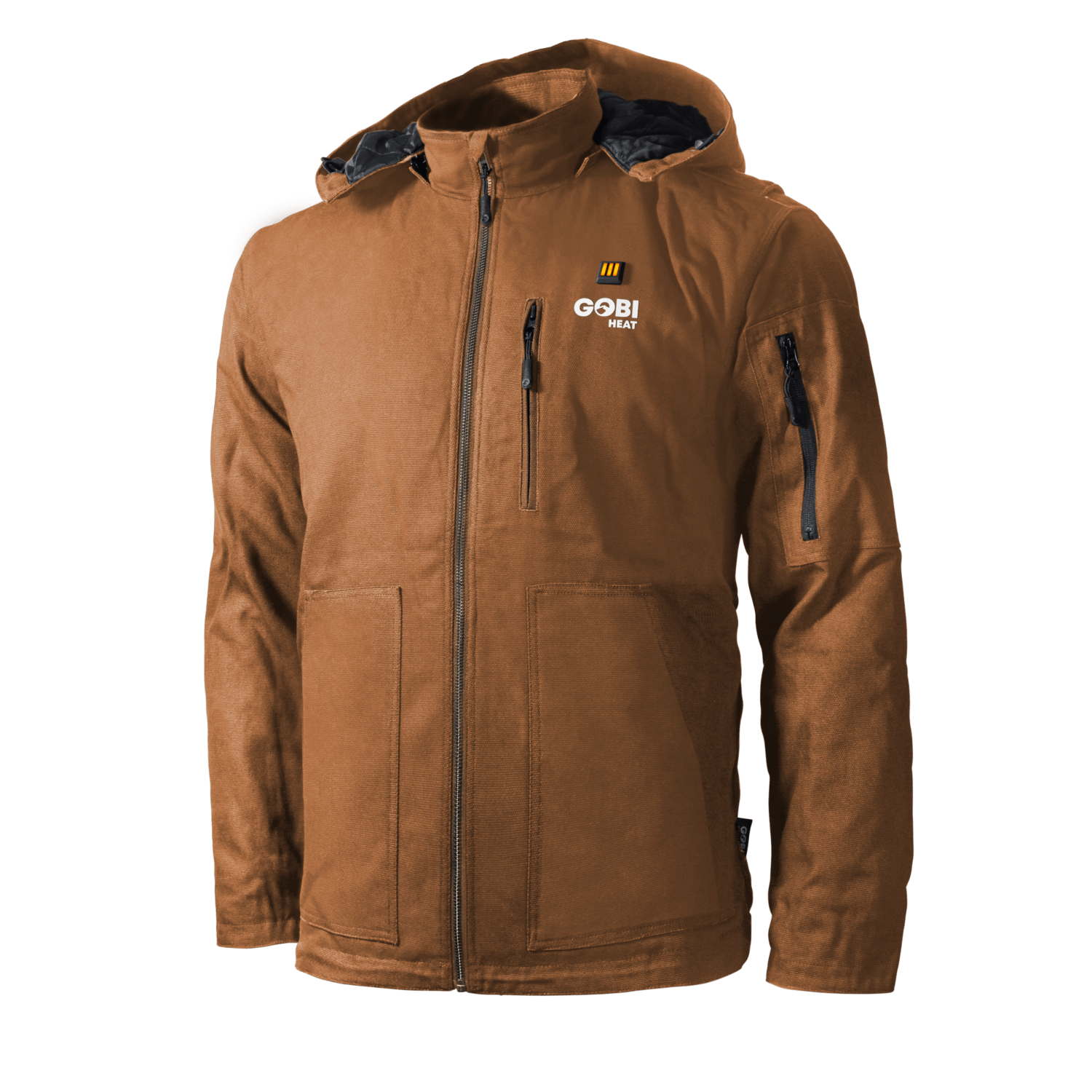
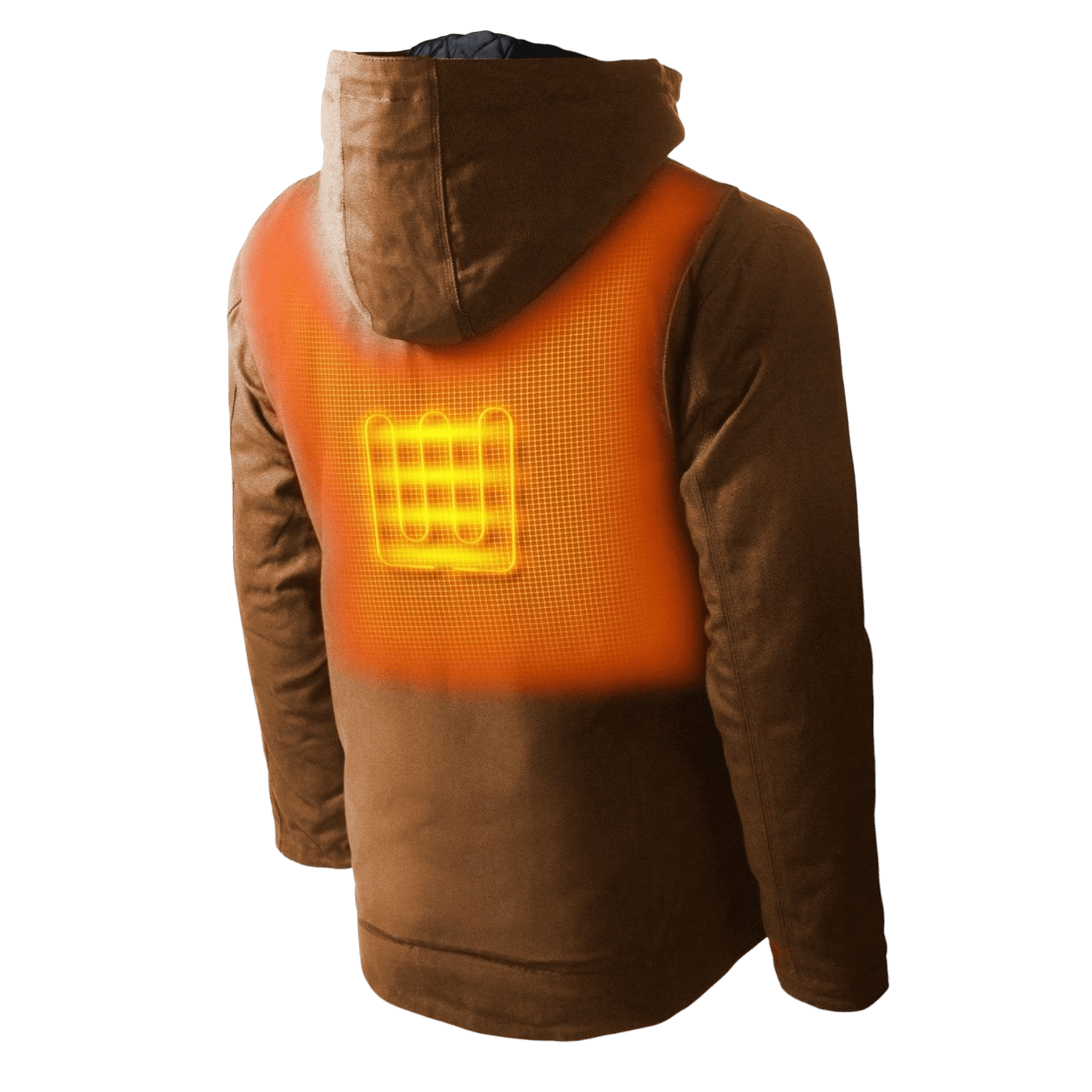
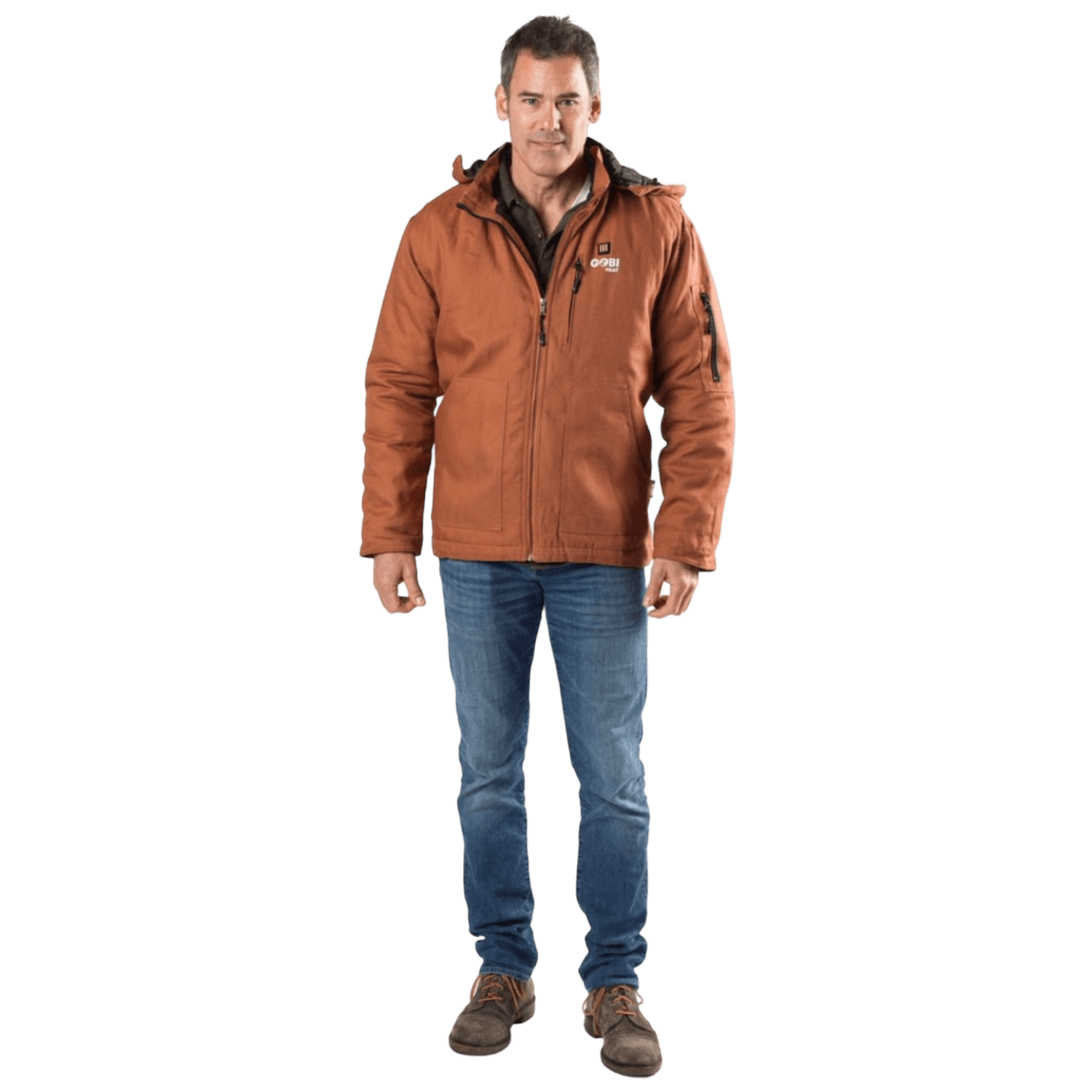
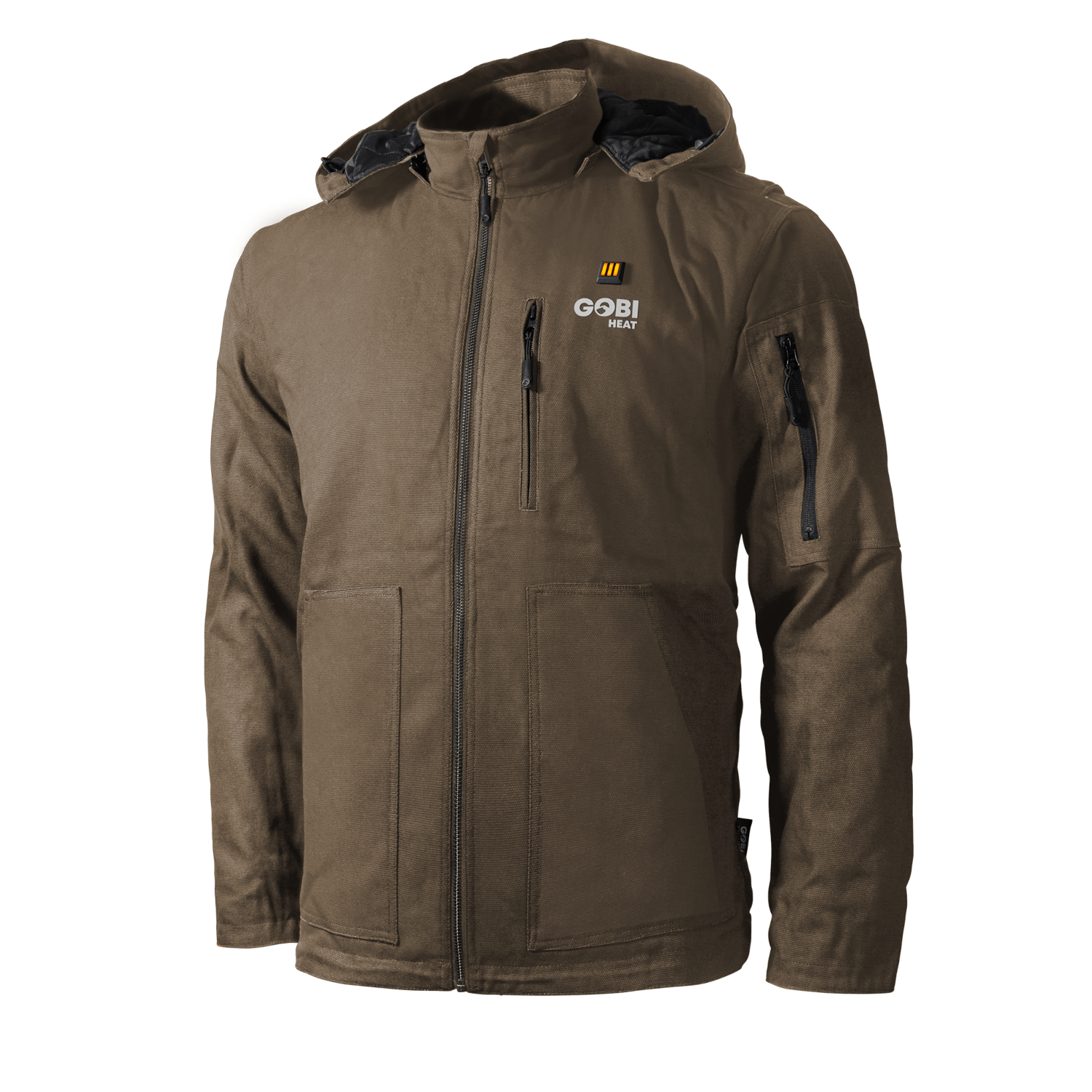
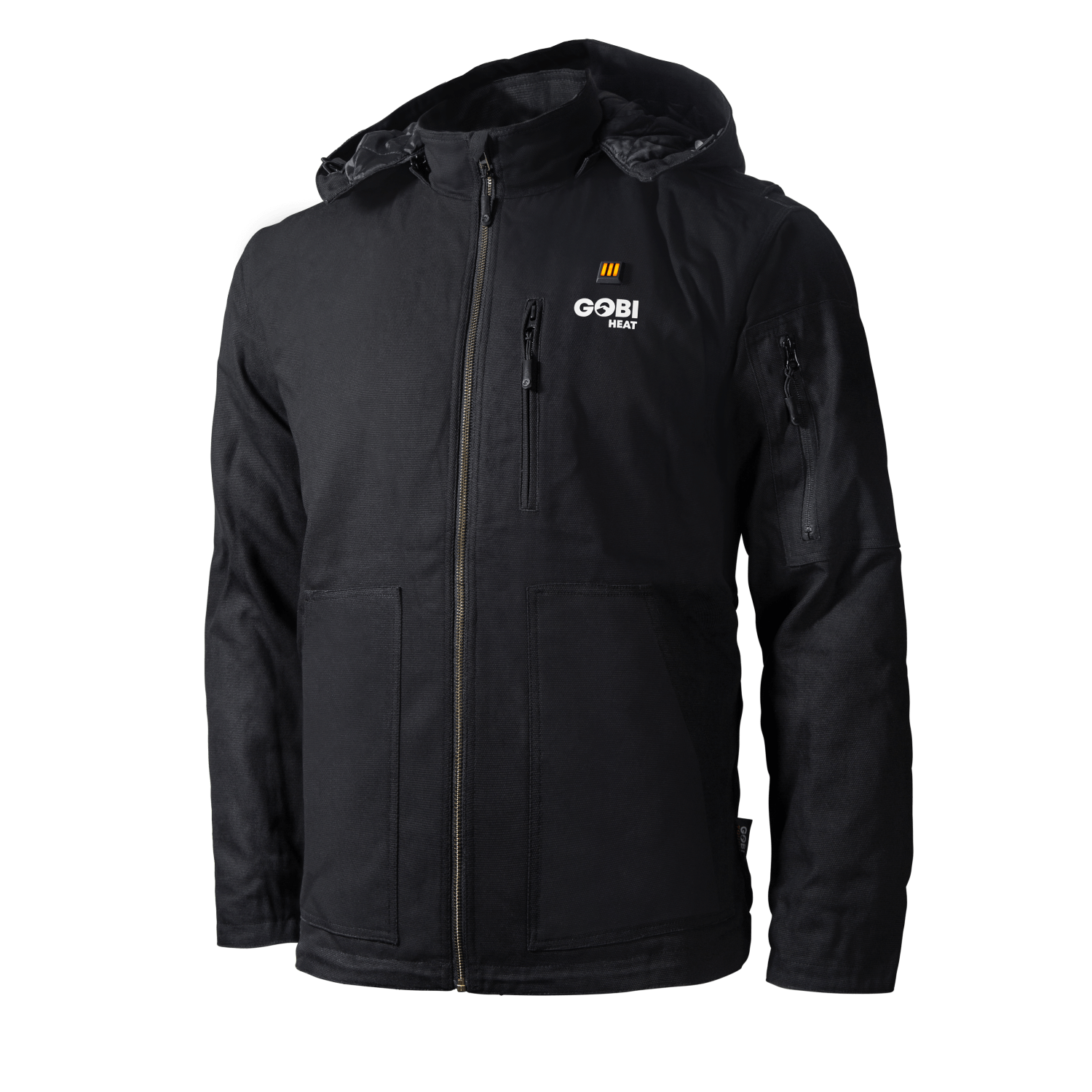
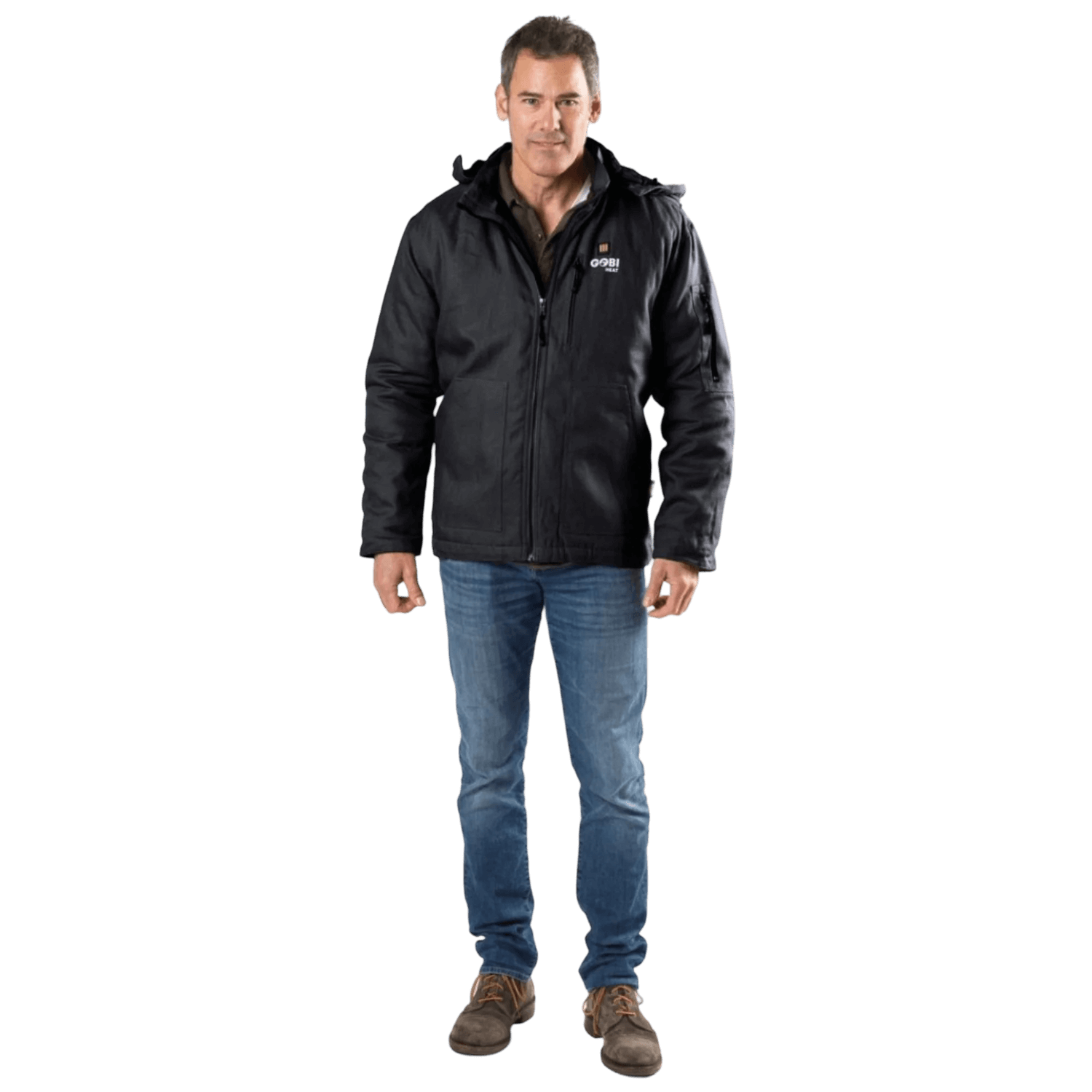
When comparing a grit vs milwaukee heated jacket for real job-site use, build quality matters just as much as heat. This milwaukee heated jacket comparison breaks down shell construction, stitching, and durability to show which heated work jacket is built for long work shifts, not just cold mornings.
When a heated jacket is worn daily, the outer shell determines how long it survives real job-site conditions. Fabric weight, abrasion resistance, and wind blocking all influence whether a jacket holds up through demanding work environments or starts breaking down early.
that stands up to tools, materials, and rough surfaces
to reduce heat loss in open, exposed work areas
that maintains shape after repeated wear
In this comparison, the Grit jacket leans toward a heavier, more rugged shell, while Milwaukee prioritizes flexibility with a lighter outer construction. That difference directly affects job-site durability and long-term reliability.
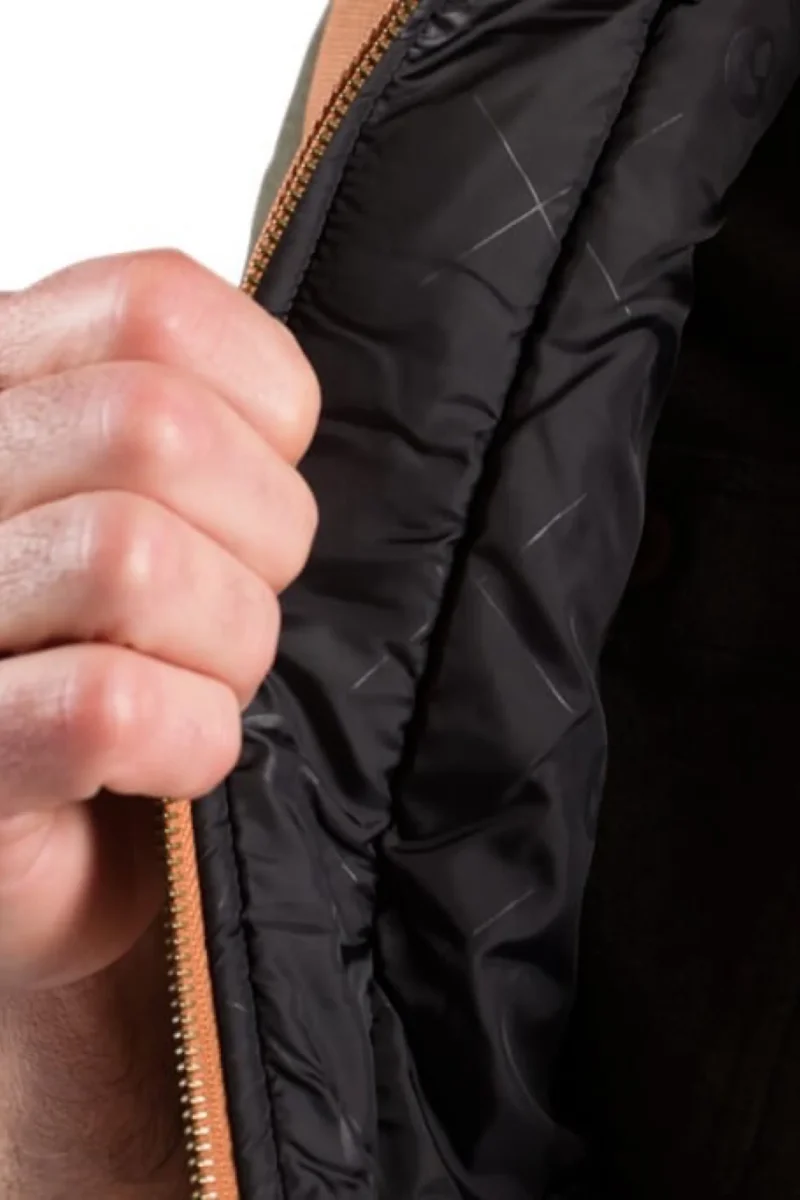
Durability is not just about fabric. Stitching quality and reinforced stress zones decide whether a jacket survives long work shifts or fails mid-season. High-contact areas take constant strain during real job-site use.
that resist tearing during movement
to prevent separation under repeared stress
that hold up to daily use
In this milwaukee heated jacket comparison, the Grit jacket shows a stronger emphasis on reinforced seams and consistent stitching across critical areas. This reduces the risk of seam blowouts, zipper failure, and fabric separation over time.
Specs only tell part of the story. Over weeks of daily wear, jackets either maintain structure or slowly degrade. Real job-site performance depends on how materials, stitching, and construction work together over time.
to sagging and fabric fatigue
under repetitive movement
after repeated cold-weather use
For workers who rely on their outerwear daily, the Grit Heated Work Jacket is built to handle repetitive wear in tough conditions, making it a stronger choice for consistent job-site use rather than occasional cold mornings.
When comparing a grit vs milwaukee heated jacket for work, battery performance becomes the deciding factor during long, uninterrupted shifts. This section of the milwaukee heated jacket comparison focuses on real-world runtime, power management, and reliability, showing which heated jacket performs best on job sites where downtime is not an option.
Battery-powered outerwear lives or dies by how long it can maintain heat without constant recharging. On paper, both systems offer multiple heat levels, but real-world performance varies significantly depending on workload, exposure, and heat management.
that carries through extended workdays
without sudden drop-offs mid-shift
that balances warmth and power conservation
In direct gobi heat vs milwaukee battery performance comparisons, the Grit system prioritizes sustained runtime on Low and Medium settings, which are most commonly used during full work shifts. Milwaukee batteries often deliver strong initial heat but can require more frequent swaps under continuous use, especially in colder, exposed environments. For a deeper breakdown of real-world runtime by heat level and charging behavior, see our Grit heated jacket battery life guide.
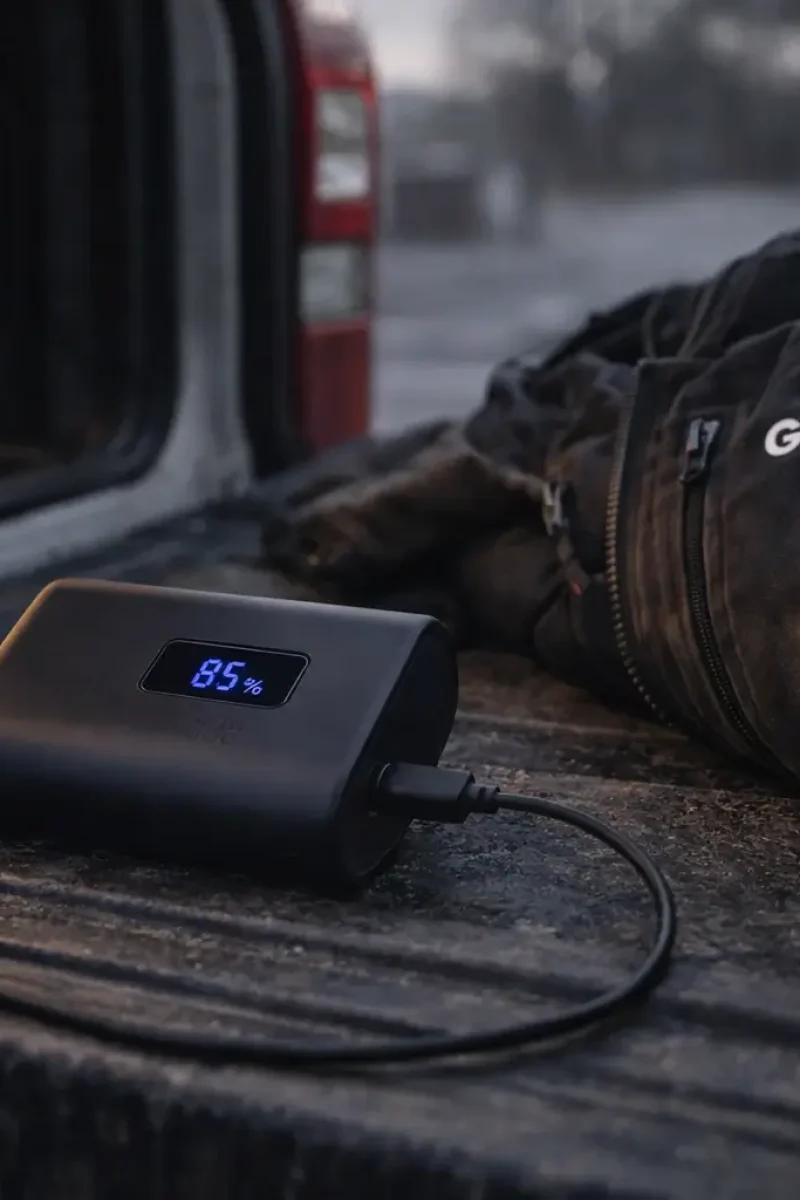
For workers relying on a cold-weather work jacket day after day, battery downtime matters just as much as runtime. Fast charging, simple battery swaps, and predictable recharge cycles directly impact productivity between shifts.
that fits overnight or mid-shift recharge windows
for quick swaps without removing layers
across repeated charge cycles
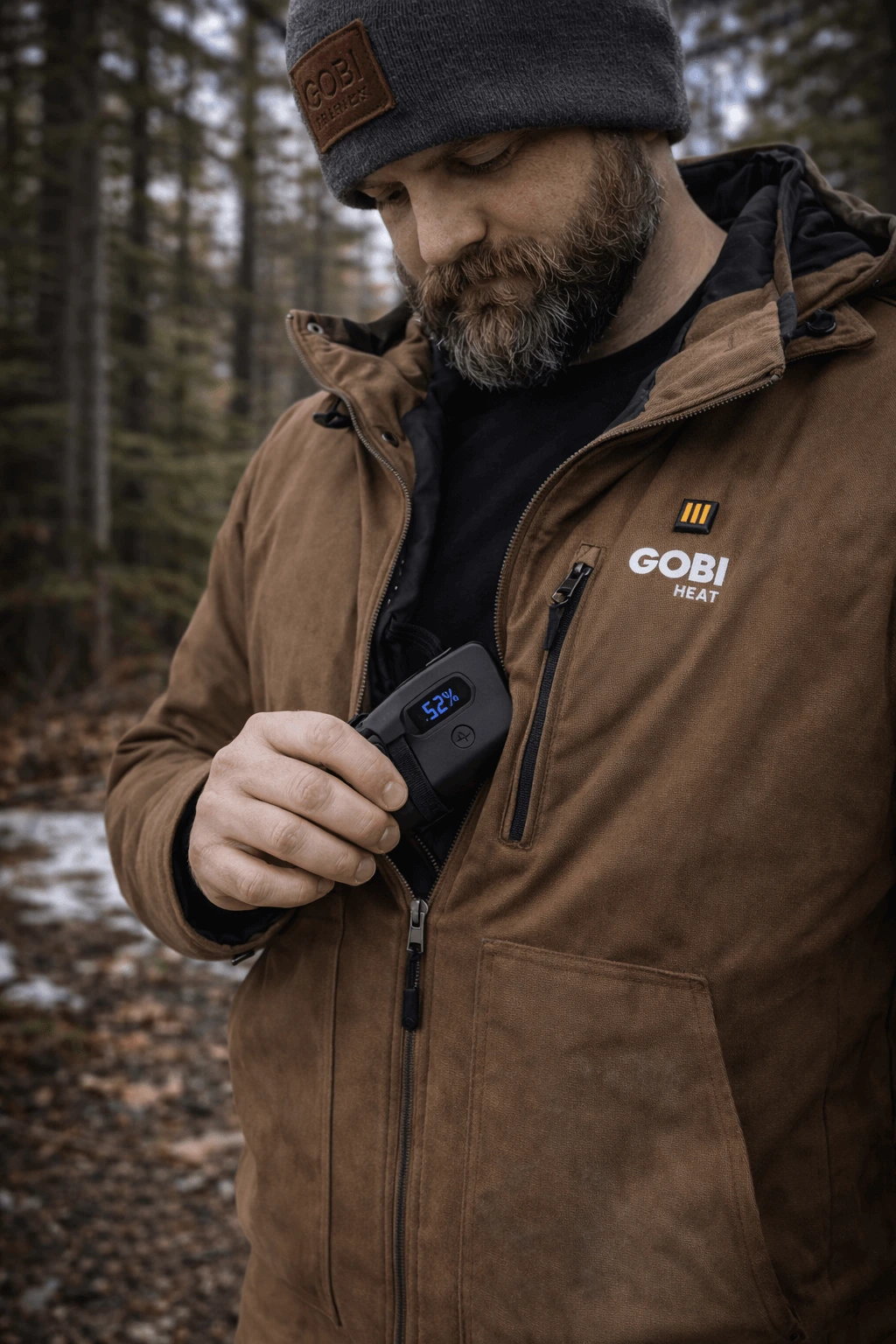
In this heated work jacket comparison, the Grit Heated Work Jacket is designed around predictable daily use, with charging speeds and battery management built for workers who cannot pause mid-task. Milwaukee’s ecosystem favors tool-battery compatibility, which can be convenient but may introduce runtime variability, making Grit a stronger option for those searching for the best heated jacket for work.
Specs alone do not reflect how batteries perform after weeks of exposure to cold, movement, and long hours. Real job-site performance reveals how well battery-powered outerwear holds up when heat is required consistently, not intermittently.
during extended wear
from movement and exposure
across consecutive workdays
For workers searching for the best heated jacket for long work shifts, the Grit system is designed to deliver consistent, usable warmth across demanding schedules rather than brief heat spikes. That reliability is exactly what makes the Grit Heated Work Jacket a stronger choice for job sites where downtime is not an option.
A heated jacket should move with you, not restrict you, especially during long, physically demanding shifts. In this grit vs milwaukee heated jacket comparison, we break down fit, flexibility, and weight distribution to show which option delivers real comfort and mobility for all-day job-site wear.
A heated jacket can deliver warmth, but if the fit is off or the weight pulls awkwardly during movement, fatigue builds fast over long shifts. Comfort on job sites comes down to how evenly the jacket distributes weight while allowing natural movement throughout the workday.
that avoids front-heavy or sagging feel
that layers easily without restricting motion
that does not create pressure points during bending or lifting
In this grit vs milwaukee heated jacket comparison, the Grit jacket is designed with centered weight distribution and a more structured fit, helping it feel stable during continuous movement. Milwaukee jackets can feel lighter initially, but battery placement and looser fit may introduce shifting or imbalance during active job-site tasks.
Job-site work demands constant reaching, lifting, crouching, and overhead movement. A heated jacket must flex with the body without pulling, bunching, or restricting motion during physically demanding tasks.
that supports arm and shoulder movement
to reduce resistance during repetitive motion
that move with the worker, not against them
In this milwaukee heated jacket comparison, the Grit Heated Work Jacket prioritizes functional mobility through structured flexibility, allowing full range of motion without sacrificing warmth. Milwaukee leans toward lighter materials, which can improve flexibility but may feel less controlled during repetitive or high-movement job-site work.
Comfort is proven over time, not in the first hour. During extended exposure to cold, movement, and physical strain, jackets either maintain comfort or become a distraction that slows productivity.
from stable fit and balanced weight
during movement-heavy tasks
through long, uninterrupted work shifts
For workers searching for the best heated jacket for long work shifts, the Grit Heated Work Jacket delivers a more consistent all-day wear experience, making it a stronger choice for demanding job sites where mobility and comfort directly affect performance.
After comparing durability, battery performance, and all-day comfort, the real difference between these jackets comes down to consistency under pressure. This grit vs milwaukee heated jacket comparison now answers the one question that matters most: which option actually supports long, demanding job-site work without compromise. For a broader breakdown of how these jackets stack up against other top options, see our full heated jacket comparison guide.
A heated jacket must perform as a complete system, not just deliver heat. On real job sites, durability, power management, and comfort must work together through long shifts, harsh conditions, and constant movement.
that balances heat, fit, and durability
across full workdays, not short bursts
under daily wear without frequent adjustment
In this milwaukee heated jacket comparison, the Grit Heated Work Jacket stands out by delivering consistent performance across all core job-site needs. Milwaukee offers strong heat output, but its overall experience can vary depending on battery choice and usage patterns rather than remaining uniform throughout long shifts.
Not every heated jacket is designed for the same type of worker. Understanding the intended use case helps prevent disappointment after extended wear.
This distinction explains why professionals focused on productivity often favor job-site–specific designs over general-purpose heated gear.
When deciding which heated jacket is better for job sites, performance over time matters more than peak output. The Grit Heated Work Jacket delivers stable heat, balanced weight distribution, and dependable comfort that supports full workdays without distraction.
For workers facing cold conditions shift after shift, the Grit Heated Work Jacket remains the stronger choice for demanding job sites where reliability directly affects performance.
The Grit Heated Work Jacket is better for long work shifts because it delivers balanced weight, consistent heat, and all-day comfort without frequent battery swaps.
Milwaukee jackets can run hot initially, but performance may vary depending on battery size and usage, which matters less for shorter tasks than full workdays.
Grit lasts longer on job sites because its battery system is optimized for steady, low-to-medium heat across full shifts.
Milwaukee batteries are powerful but may require swaps during continuous use, especially in cold, exposed environments.
Grit is more comfortable for physical job-site work because it maintains a stable fit and balanced weight during movement-heavy tasks.
Milwaukee jackets can feel lighter at first, but battery placement and looser fit may lead to shifting during active work.
Milwaukee heated jackets can feel bulkier during repetitive movement due to tool-style battery packs and looser construction.
Grit’s design focuses on controlled flexibility, allowing better range of motion without sacrificing warmth.
Grit is better for daily job-site use because it delivers consistent performance across comfort, battery life, and durability rather than excelling in only one area.
Milwaukee works well within its tool ecosystem, but overall experience can vary depending on battery choice and workload.
When choosing between a Grit vs Milwaukee heated jacket, the difference comes down to reliability over long, demanding work shifts. The Grit Heated Work Jacket delivers consistent warmth, balanced comfort, and durable construction that holds up when the job site does not slow down for the cold. For workers who need predictable performance, all-day comfort, and a system built for real job-site conditions, Grit stands out as the stronger choice.
Football is my first love and I’ll play until my legs fall off. If you want to follow my journey, feel free to check out my pictures and videos. Look forward to more!