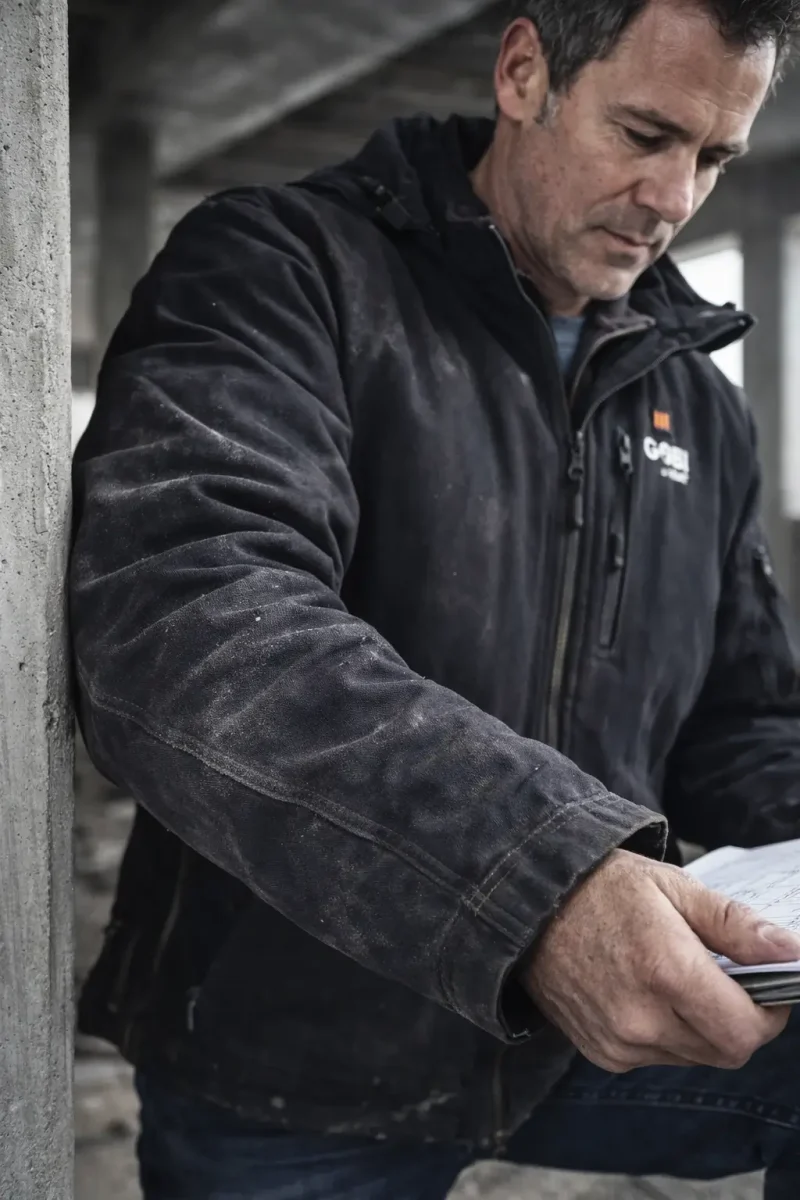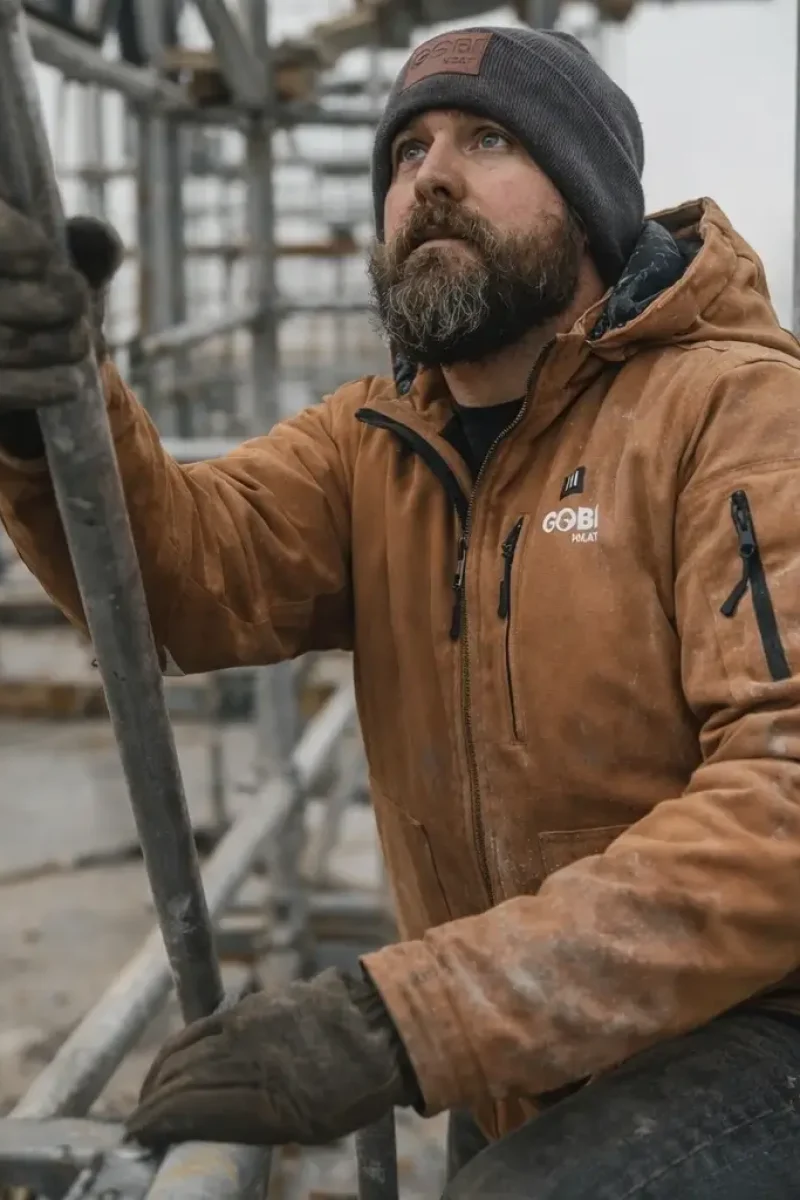
When your jacket scrapes against lumber and concrete all day, weak fabric shows quickly. Grit Heated Work Jacket durability holds up well for crews who need a layer that resists daily abrasion without breaking down mid-season.
This review evaluates how it performs under real job site wear and tear, focusing on fabric resilience, hardware reliability, and repeated movement stress across long winter shifts.
Below, we break down outer shell performance, job-site strain, and long-term structural integrity to show how it stands up in active construction environments.
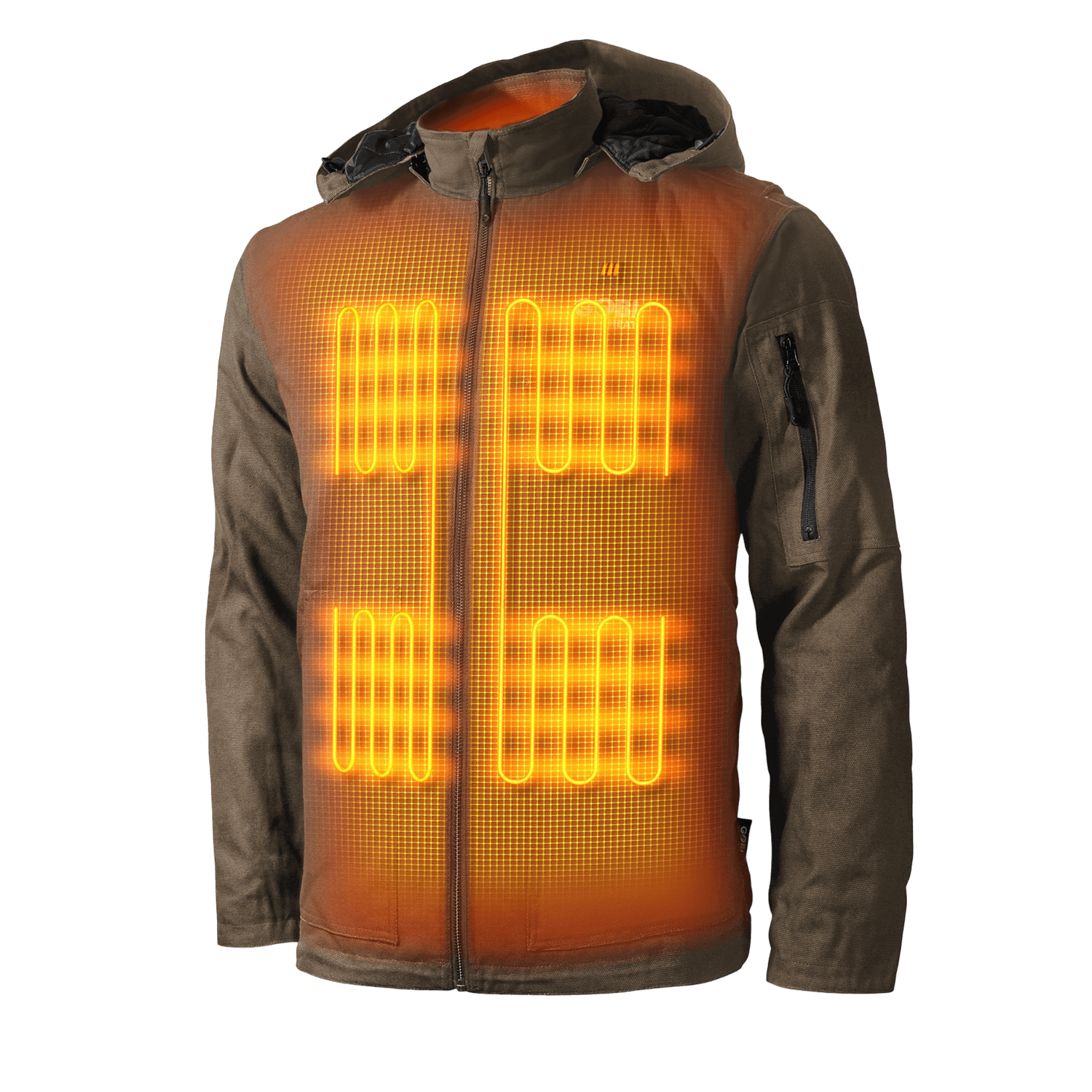
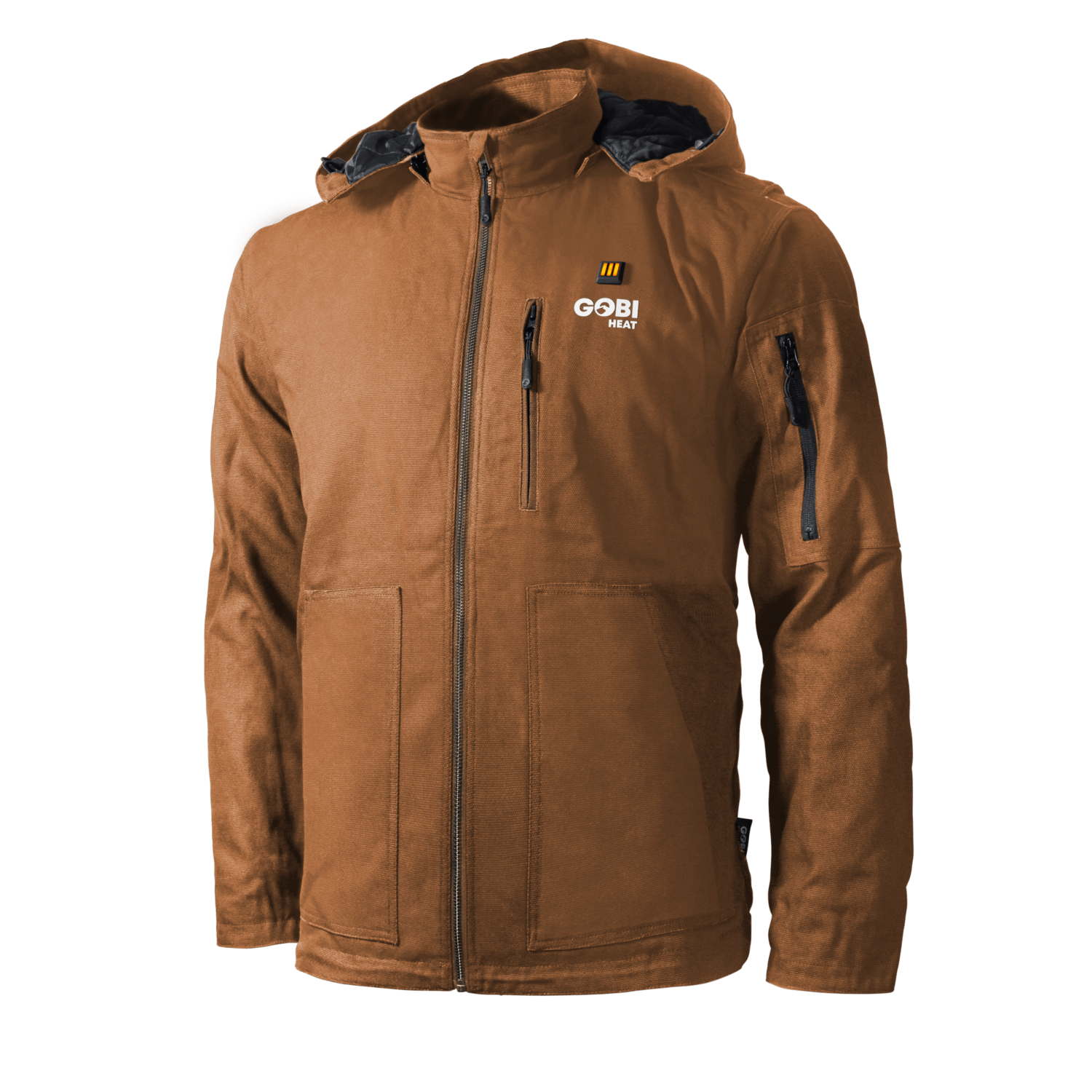
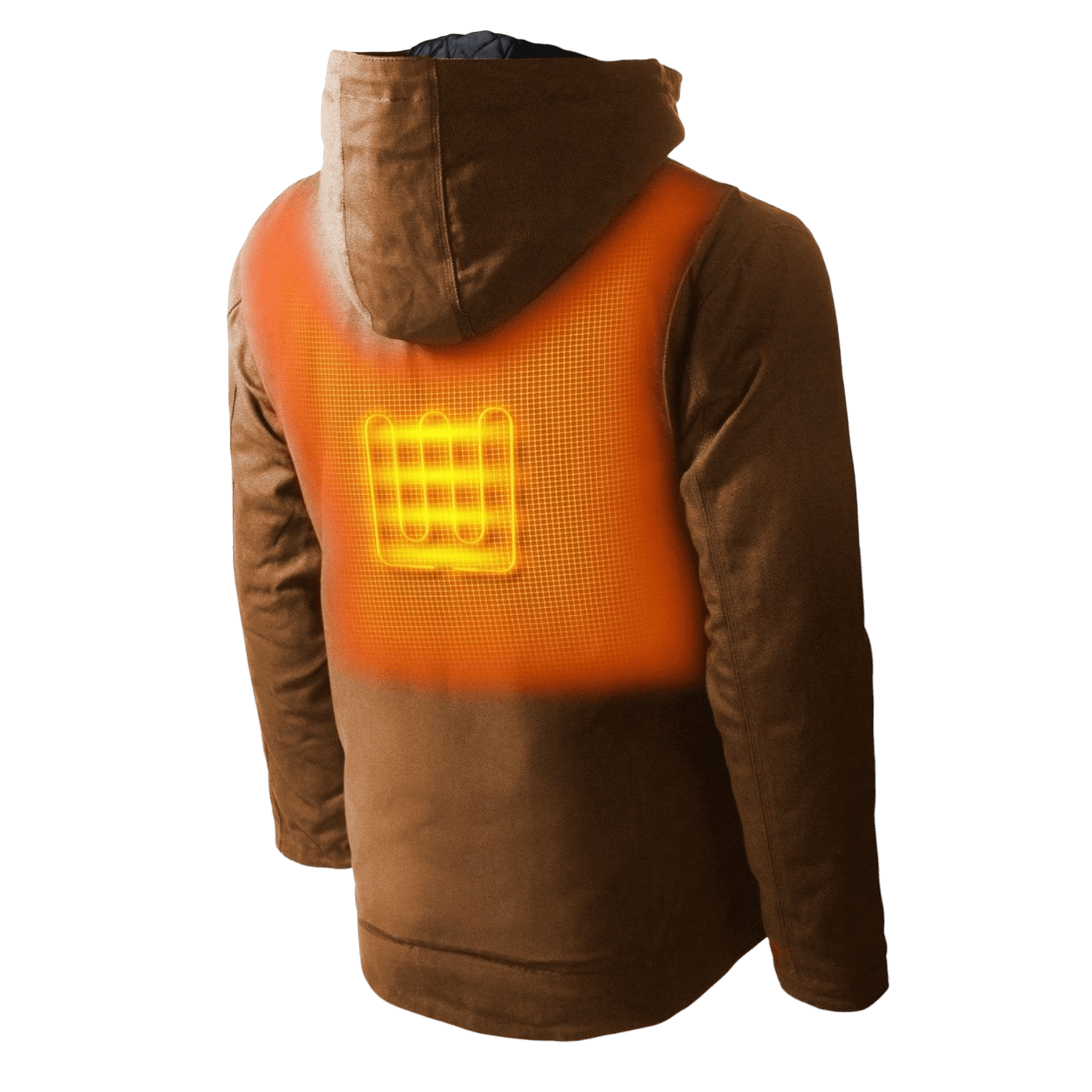
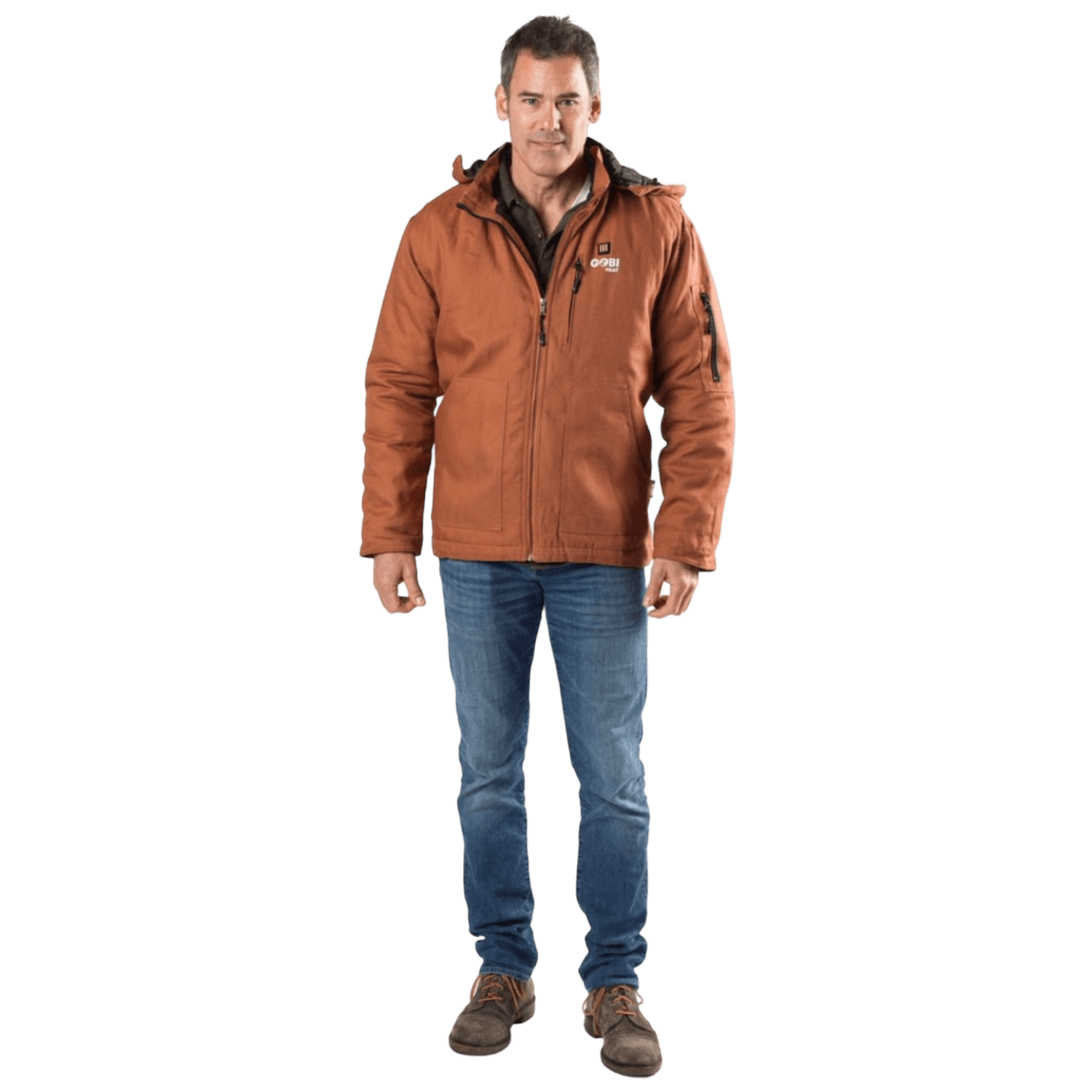
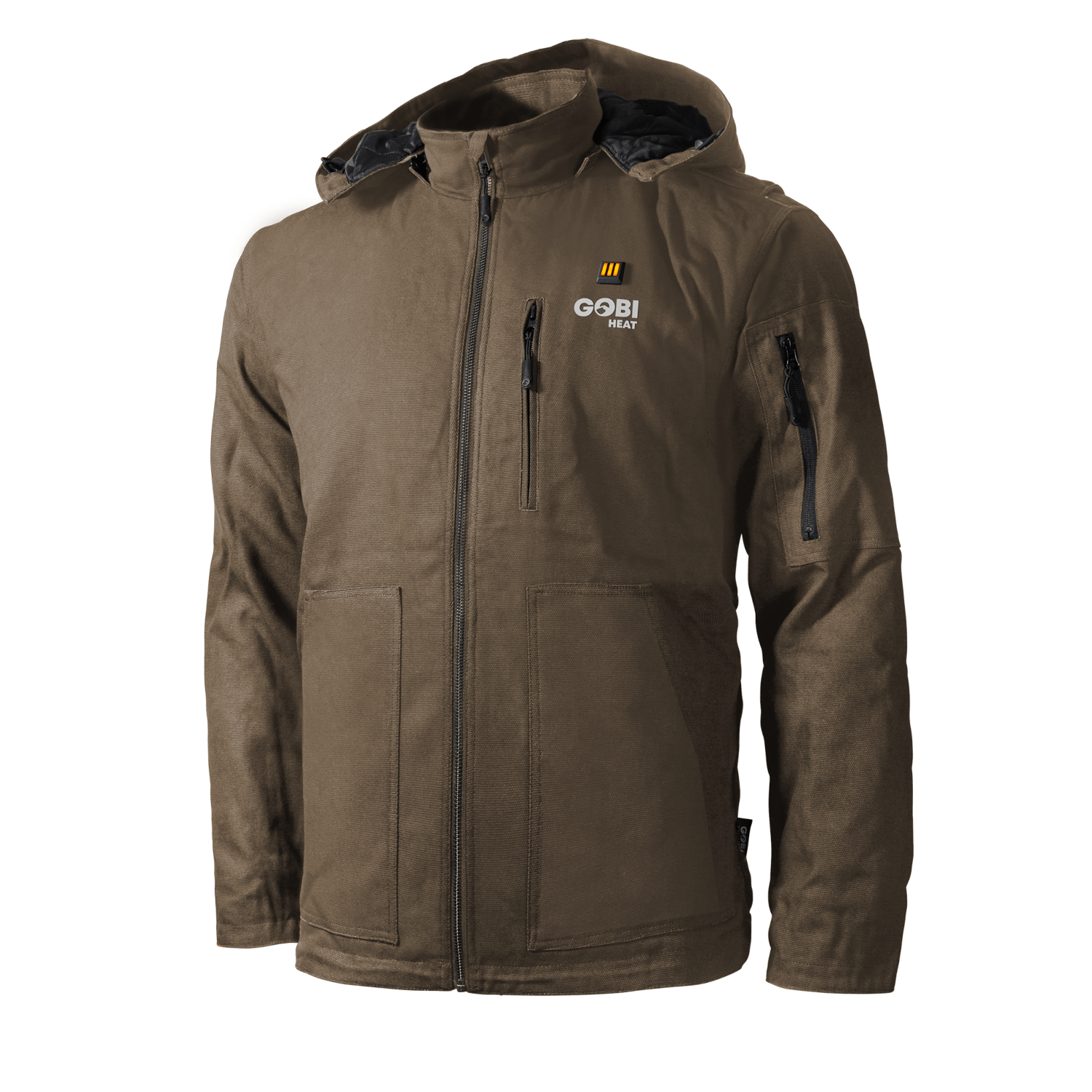
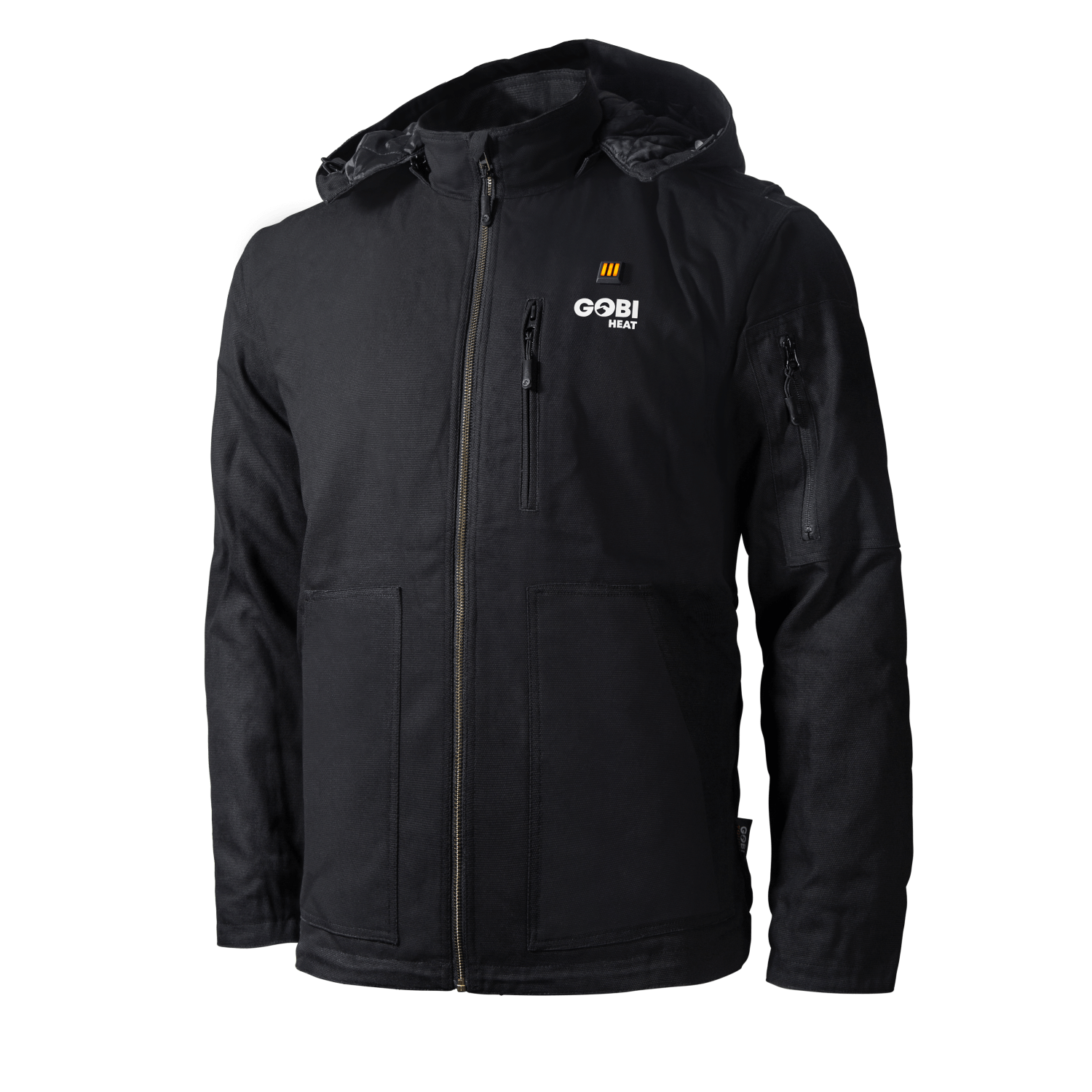
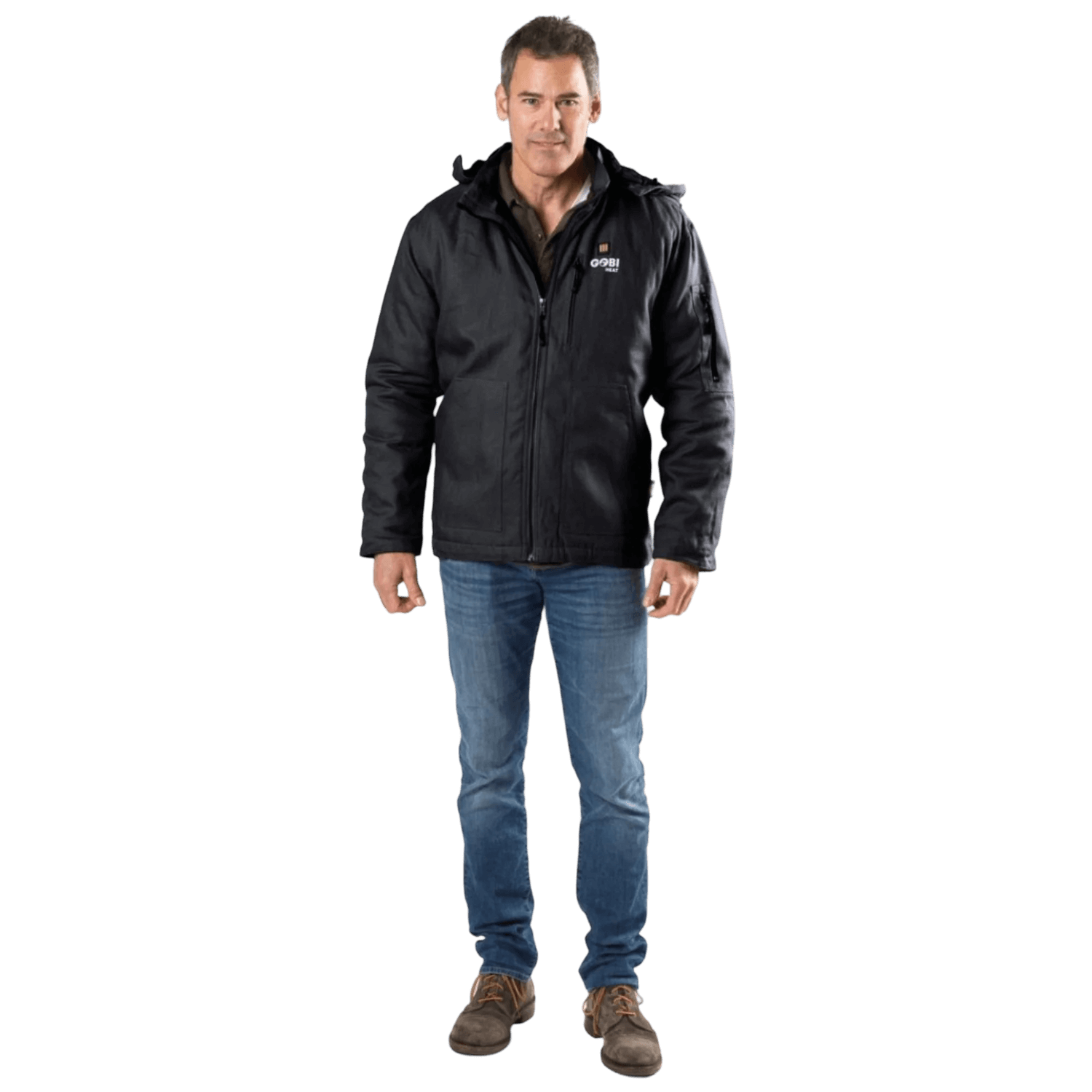
I wear it regularly on construction sites and it stays dependable through active, movement-heavy days without feeling fragile.
It keeps me warm for hours outside without constantly adjusting the heat, even during long winter shifts.
Working in northern Michigan winters, I practically live in it and it consistently blocks the cold during long outdoor days.
When your jacket rubs against framing, concrete, and tool belts all day, lightweight fabric shows wear quickly. In the broader category of heated work jackets for men, outer shell resilience often separates casual winter layers from work-ready protection. This section evaluates fabric density, construction quality, and hardware durability under repeated job site abrasion using measurable build standards rather than surface impressions.
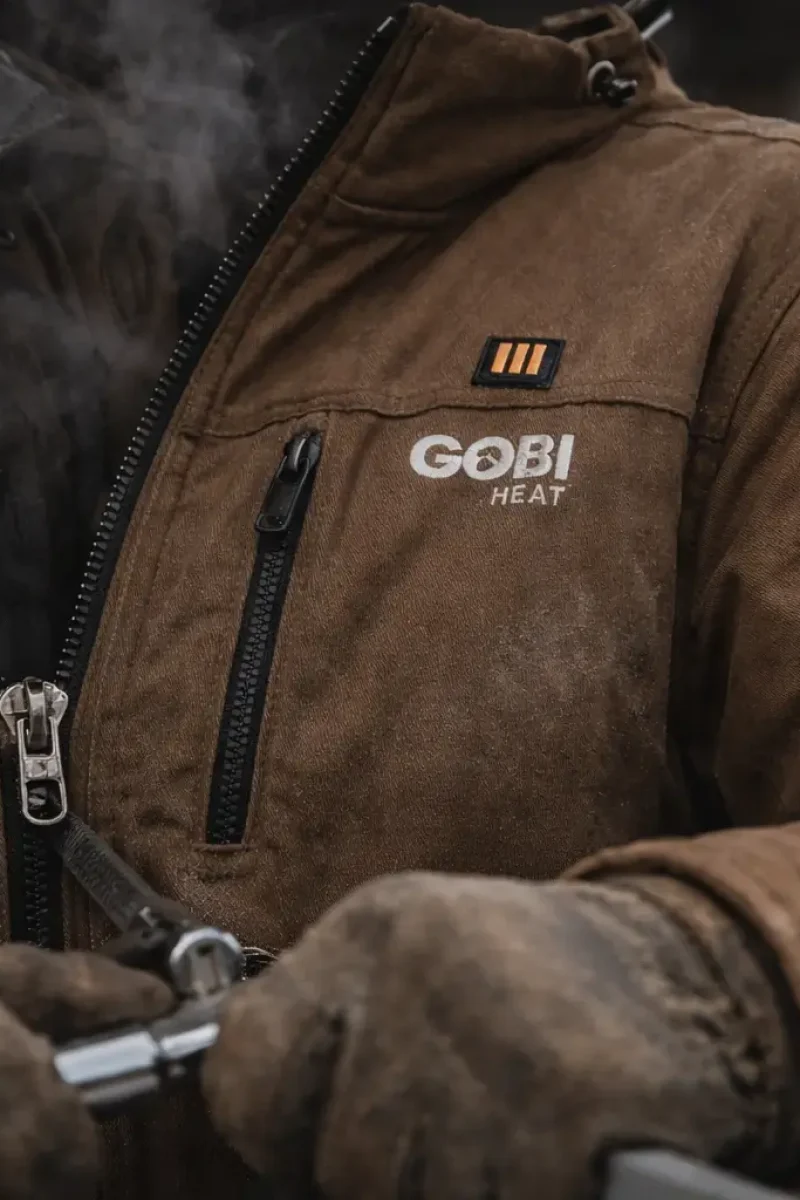
When a jacket drags against lumber edges and scaffold rails, weak fabric thins out fast. The 380g duck cotton outer shell is a workwear-grade material designed for abrasion-prone environments, which means it resists surface wear better than lighter softshell layers. YKK heavy-duty metal zippers also reduce failure during repeated pulling in cold conditions.
Holds up against rough contact
Zippers stay functional in cold use
Less fabric distortion over time
Fewer mid-season breakdown concerns
Over repeated shifts, durability depends on how materials handle friction without weakening. Here, construction choices support steady performance under ongoing job-site stress.
On long winter shifts, constant bending, lifting, and tool belt pressure can strain seams and stress fabric at key movement points. This section evaluates whether the jacket maintains structure and comfort under repetitive construction demands without loosening, sagging, or restricting motion.
Climbing scaffolding with tools pulling at your shoulders quickly exposes stiff or restrictive jackets. Gusseted armpits add mobility under repetitive lifting and overhead reach, helping reduce fabric strain during sustained construction work. At 2.9–3.3 pounds including the battery, the weight reflects a durability trade-off rather than ultralight layering.
Less resistance when reaching or lifting
Better movement under load
Weight supports sturdier build
Consistent fit through repetition
Over time, durability in active construction settings depends on how well a jacket moves without stressing its own structure. Here, mobility design and overall build weight work together to support steady, repeat use.
When a jacket starts failing halfway through winter, it creates downtime and replacement costs. Long-term structural reliability determines whether it continues performing under repeated stress. This section evaluates hardware stability, seam integrity, and material resilience across extended use in active job-site conditions, using measurable durability benchmarks rather than surface impressions.
Repeated zipping in freezing temperatures and constant pocket use can expose weak hardware quickly. The YKK heavy-duty metal zippers are industrial-grade components, which reduces the likelihood of failure under daily stress. This directly affects how long the jacket remains usable through a full season.
Zipper operates reliably in cold conditions
Fewer mid-season hardware failures
Stitching holds under repetitive movement
Manufacturer-backed defect protection
Over time, hardware quality and basic warranty coverage determine whether the jacket remains dependable or becomes a replacement expense. If you are weighing durability differences, see our Milwaukee heated jacket comparison for side-by-side context.
These answers address practical buyer concerns about long-term performance in real work conditions.
Yes, it is built for construction-level wear when used as intended. The outer shell uses heavy workwear-grade duck cotton, which is designed to handle abrasion and surface contact. Hardware components are industrial-grade. It is not indestructible, but it is structured for active job-site environments.
Yes, the zipper is designed to function reliably in cold conditions. It uses heavy-duty metal hardware that resists separation and misalignment under repeated use. Metal zipper construction reduces failure risk in freezing temperatures compared to lightweight alternatives. Performance still depends on normal care and debris management.
It depends on exposure level and workload intensity. With consistent construction use, the materials are structured for multi-season performance under typical abrasion and stress conditions. Longevity varies based on environment, maintenance, and frequency of wear. It is not intended for extreme industrial abuse beyond workwear standards.
Yes, it includes a one-year limited warranty covering manufacturer defects. The warranty applies to workmanship and material issues within normal use conditions. It does not cover damage from misuse or extreme external stress. Coverage provides basic defect protection during the first year of ownership.
The grit heated jacket durability is solid for sustained job-site use when evaluated against fabric strength, hardware reliability, and structural consistency over time. It is best suited for construction workers and tradespeople who need dependable outerwear through repeated abrasion and full-shift wear. If durability is your primary concern, reviewing how it compares within its category can provide additional context before deciding.