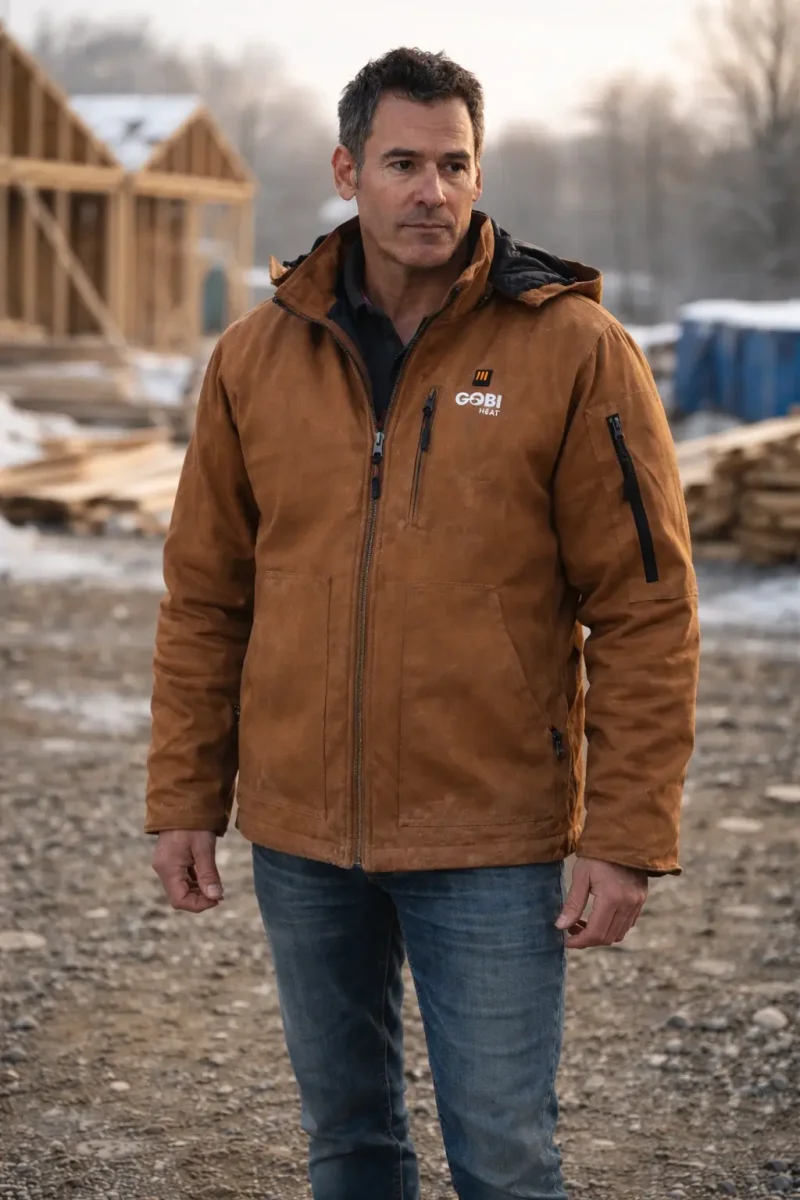
The grit heated jacket fit runs true for workwear when you size with layering and movement in mind, staying balanced through the shoulders and torso without feeling tight or bulky during a full shift.
This evaluation looks at fit the way a job site does, using the Grit Heated Work Jacket during real tasks to judge sizing accuracy with base layers, battery placement, and repeated movement, not how it feels standing still for an hour.
Below, we break down overall fit, how sizing changes with layers and batteries, and how it compares to similar jackets so you can choose the right size before buying.
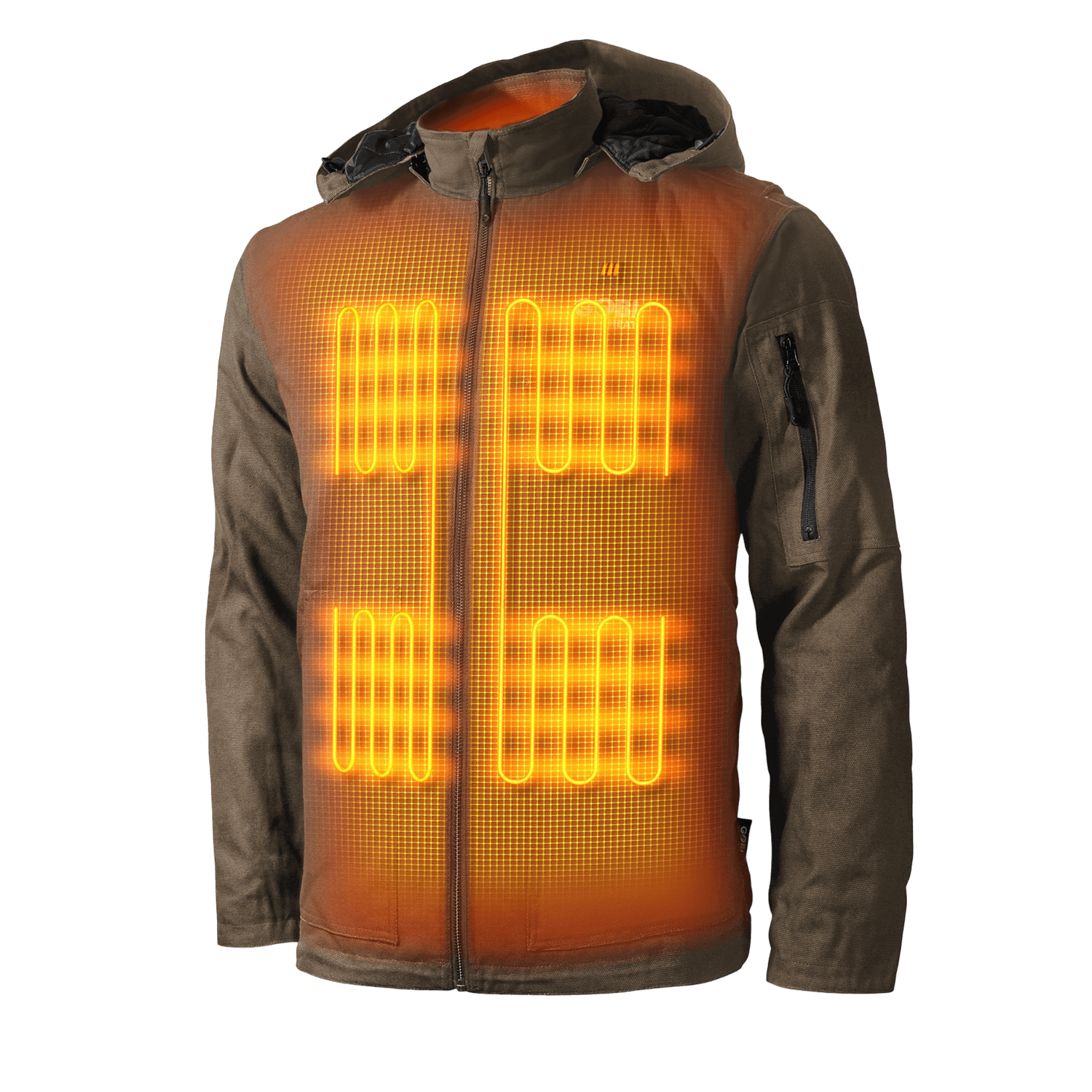
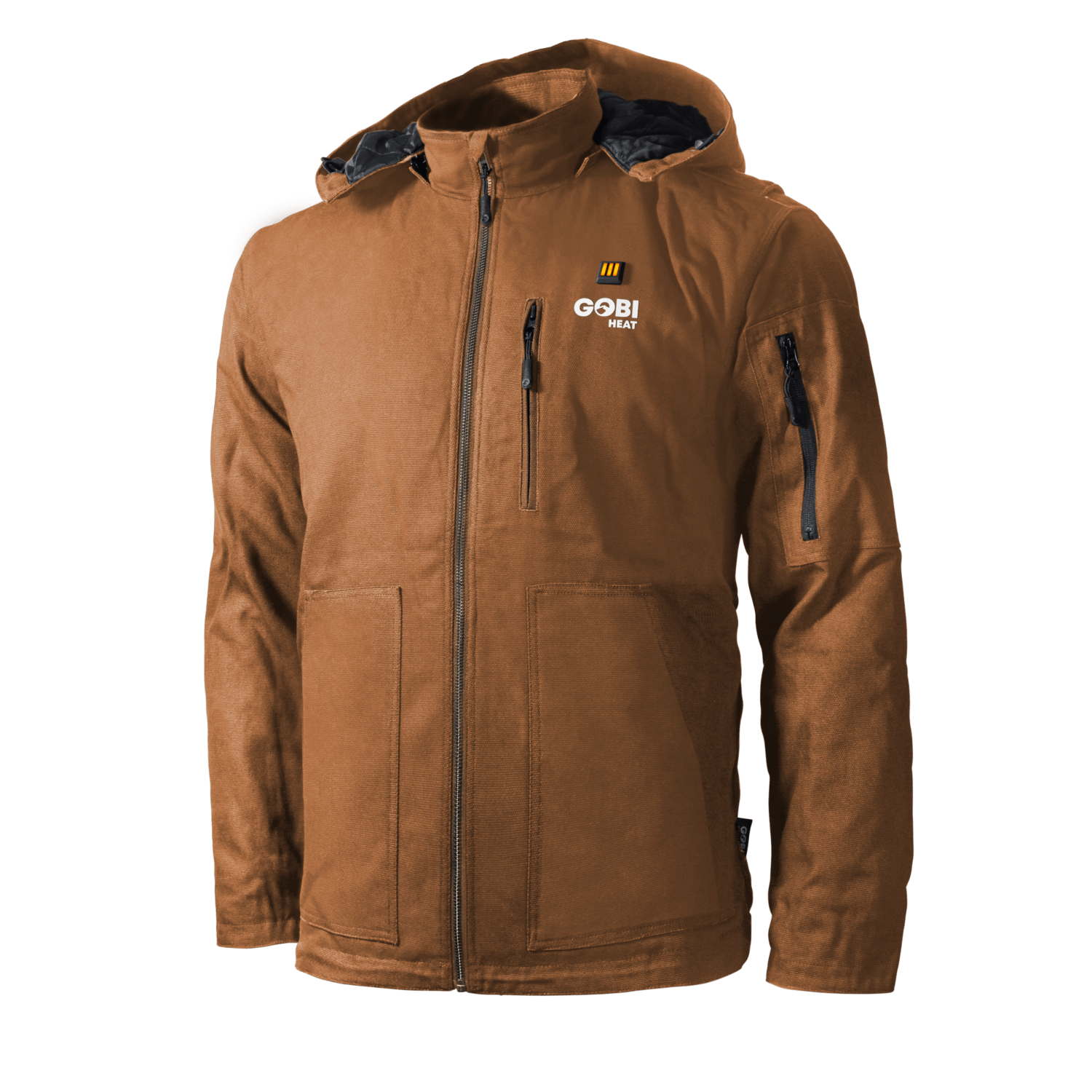
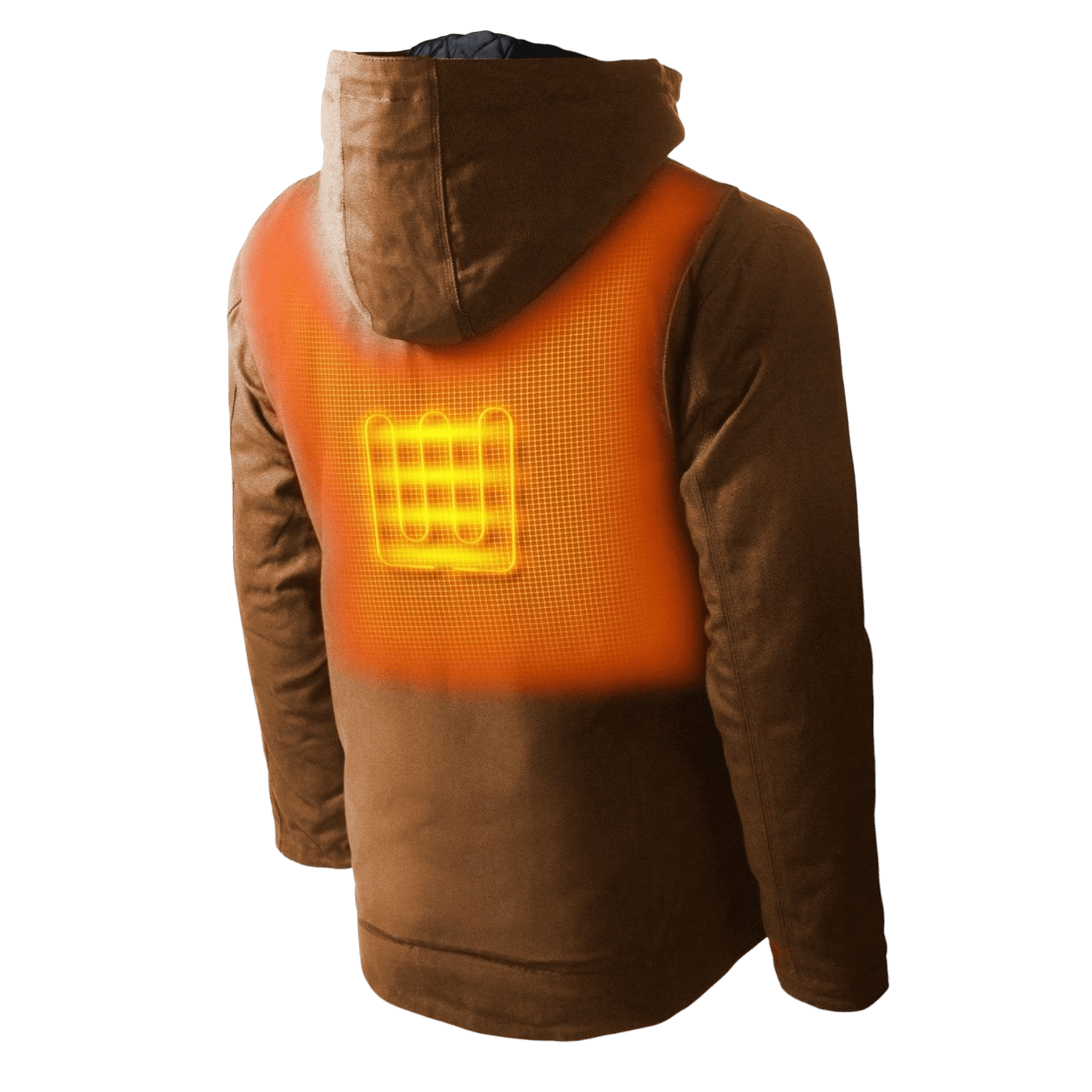
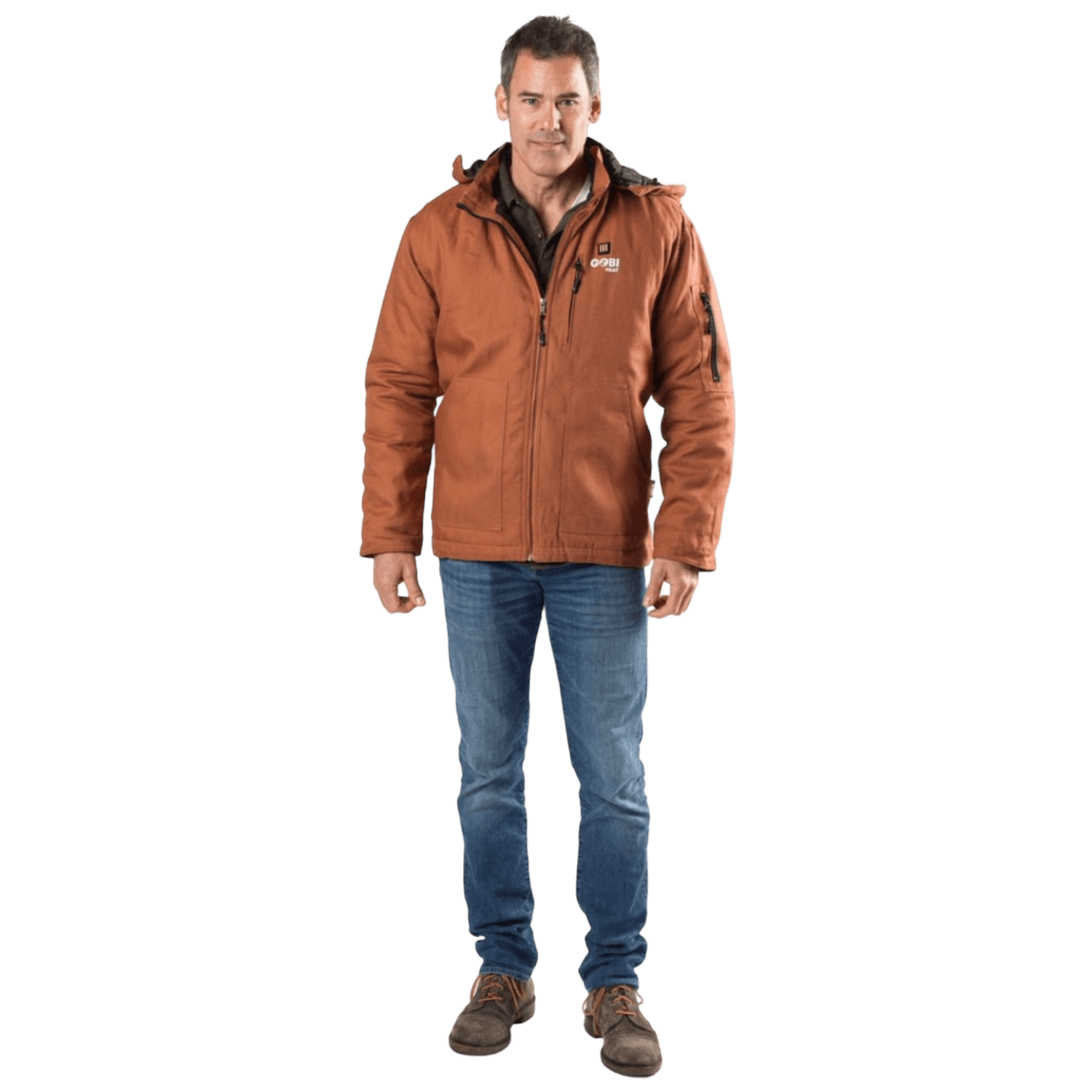
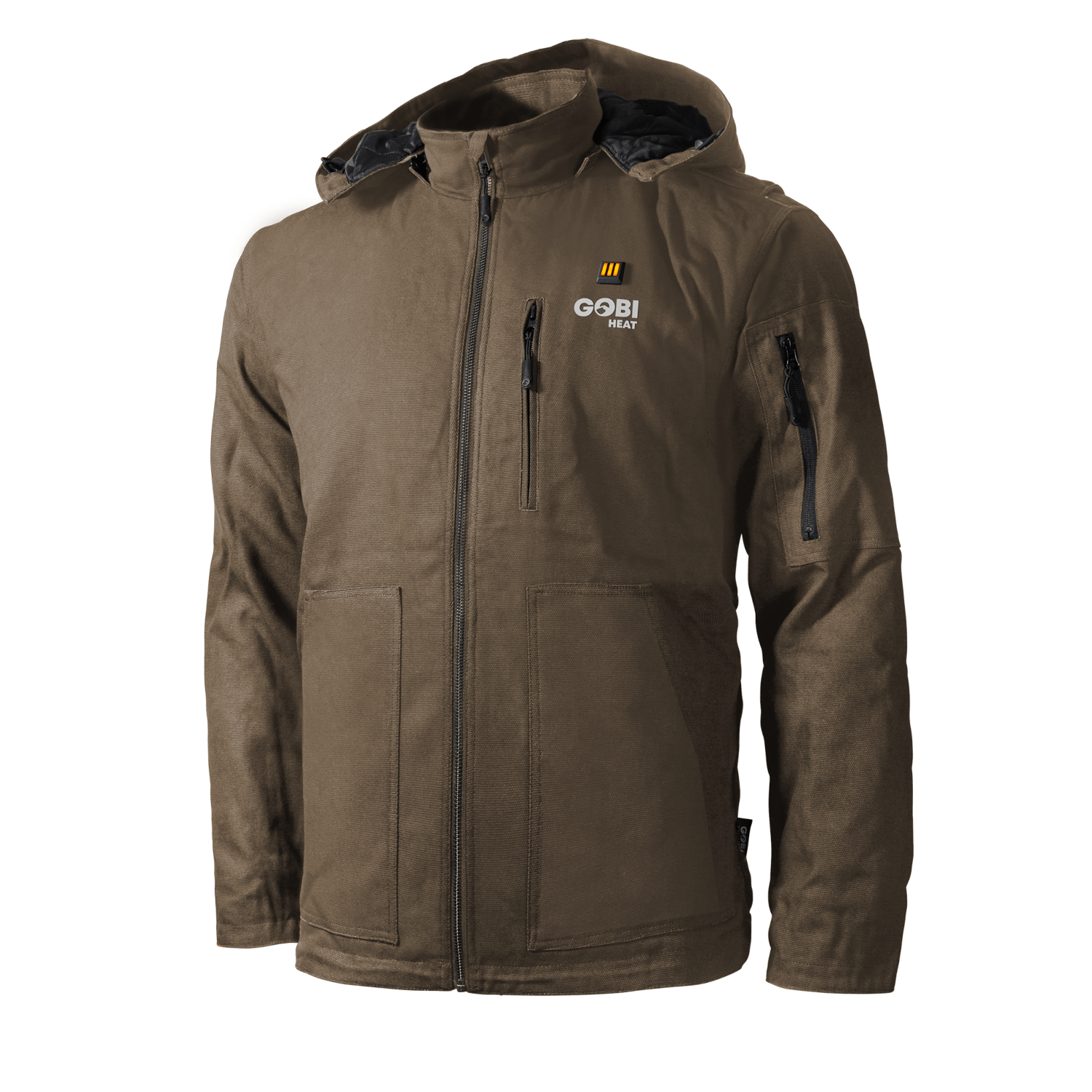
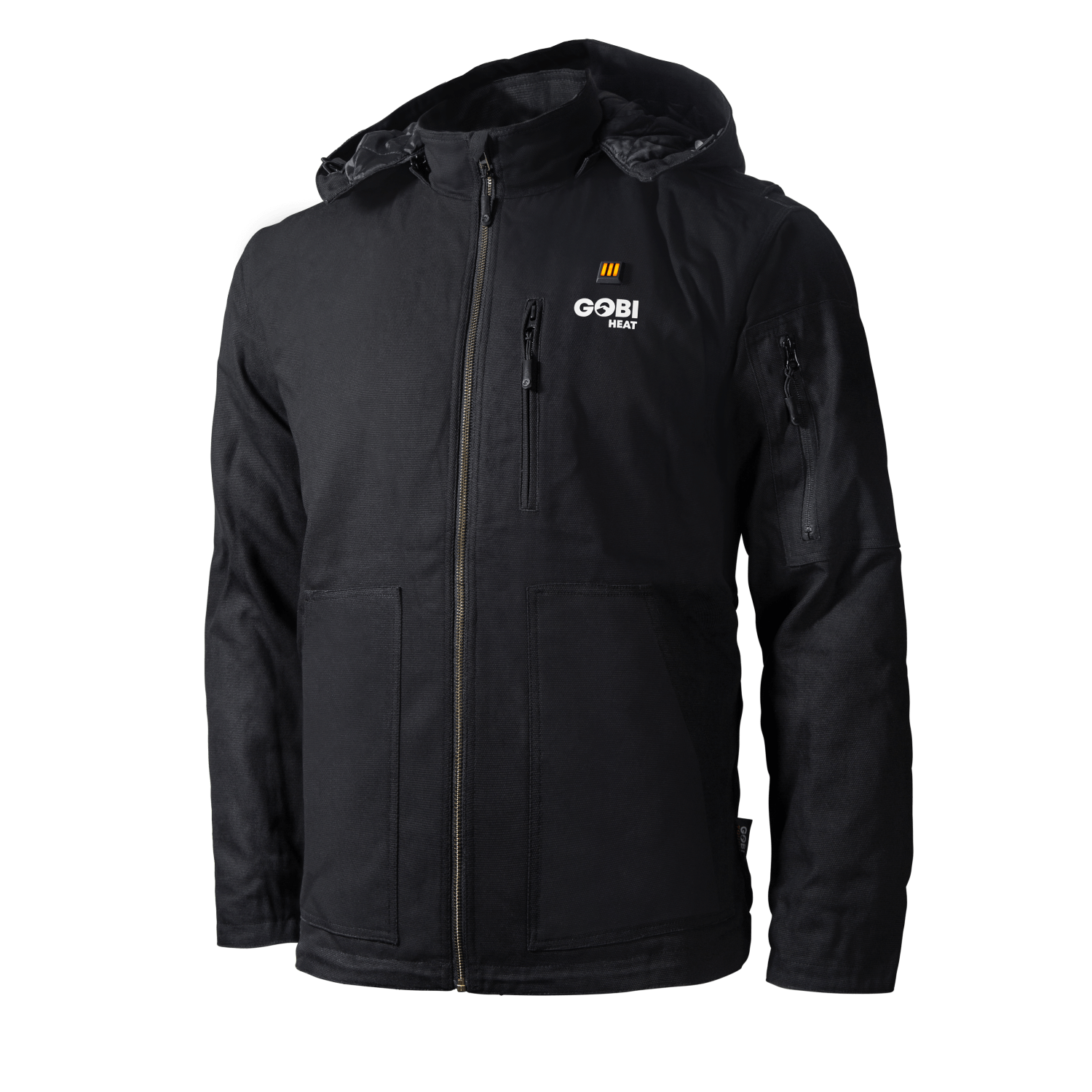
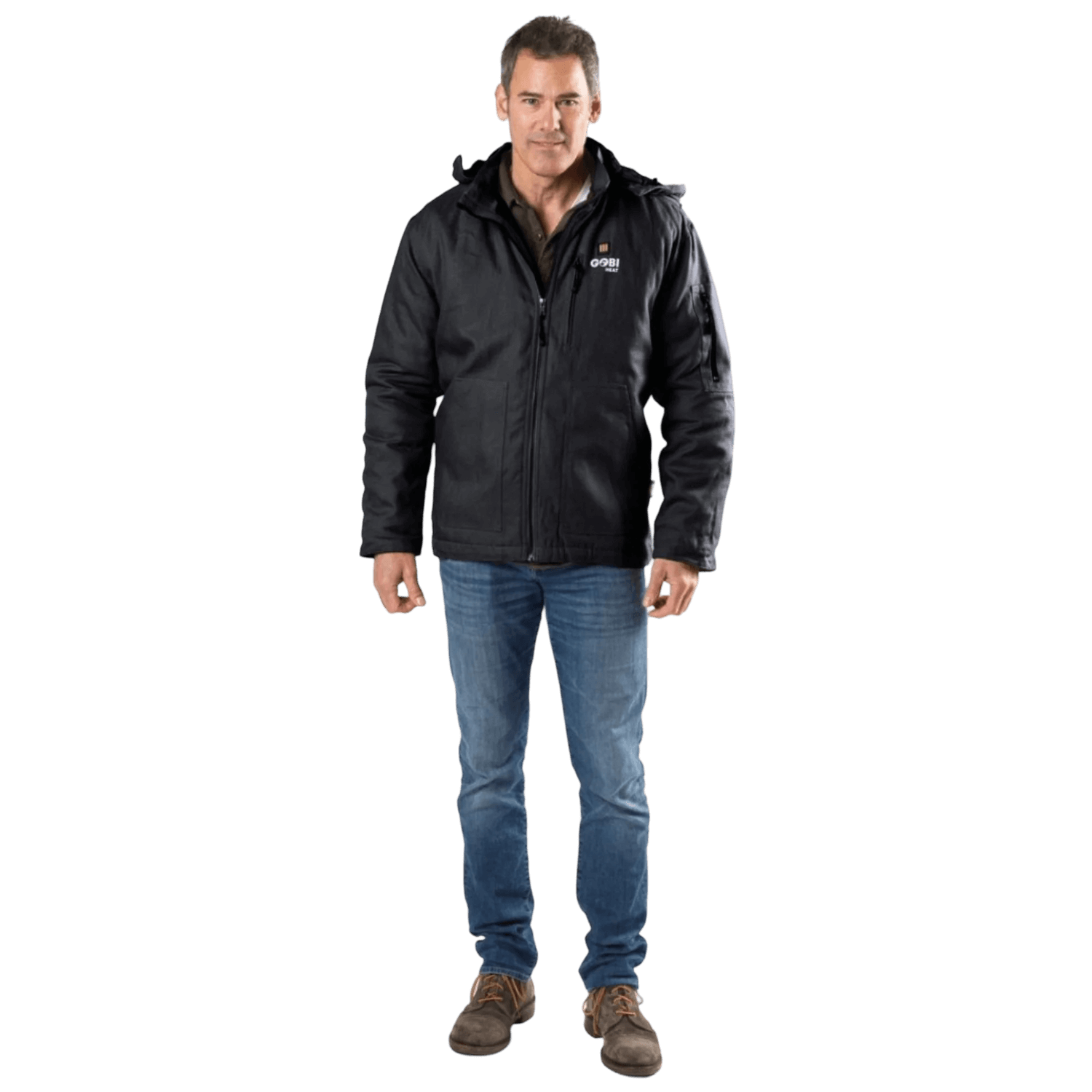
These insights reflect feedback from verified buyers using the jacket across real job-site conditions and long workdays.
Provides steady warmth for full outdoor shifts, reducing the need to adjust heat settings even during long, cold workdays outside.
Fits comfortably over winter layers with proper length and mobility, allowing tall workers to move freely without restriction during shifts.
Maintains consistent comfort once set, minimizing layer changes and keeping warmth stable throughout demanding, all-day job tasks on cold sites.
The Grit Heated Work Jacket performs well here if you need a work-ready fit that stays consistent through movement, layering, and long shifts. When evaluating grit heated jacket fit, it aligns with expectations found in other best heated jackets built for job-site use rather than casual wear. This section examines sizing behavior, layering tolerance, and movement impact during real work conditions.
The jacket fits true through the torso and shoulders, allowing natural movement without feeling restrictive. This matters on the job site because reaching, lifting, and overhead work quickly expose poor upper-body fit. Overall, the grit heated jacket fit supports workwear expectations rather than casual sizing.
room for layers without pulling or sagging
supports reaching, lifting, overhead tasks
avoids tightness when bending or twisting
stays consistent through long shifts
Over long shifts, this balanced upper-body fit helps the jacket feel predictable and easy to work in. That consistency reduces the need to adjust layers or sizing as work demands change.
The Grit Heated Work Jacket performs well here if you need enough room for winter base layers without restricting movement or creating tight pressure points. This section looks at layering underneath work jackets, battery placement impact on fit, and shoulder mobility to show how it holds up during active cold-weather shifts.
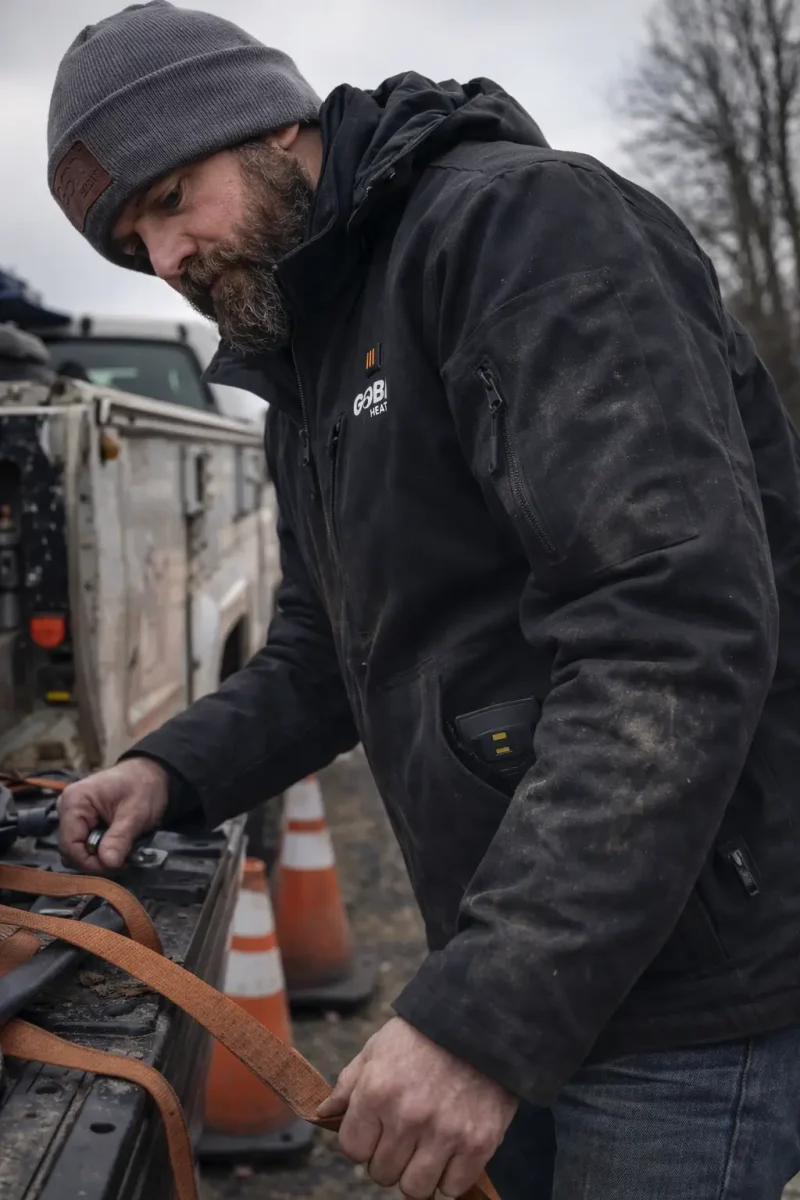
Battery placement affects how the jacket feels during movement more than most buyers expect. When weight stays centered and low-profile, the grit heated jacket fit feels stable during bending, lifting, and overhead work instead of pulling or shifting mid-task.
no front-heavy pull while moving
less shoulder or core strain
layers sit smoothly underneath
no shifting during repetitive tasks
Balanced battery placement supports long shifts without constant adjustment, especially when layering underneath work jackets. For deeper detail on power design and runtime, see the Grit heated jacket battery life guide.
The Grit Heated Work Jacket fits as expected if you are used to structured workwear rather than slim casual outerwear. Compared to many heated options, its profile prioritizes functional movement and layering space over fashion tapering.
This section evaluates cut, torso length, and shoulder room to show how grit heated jacket sizing compares in real job-site conditions where mobility and layering matter most.
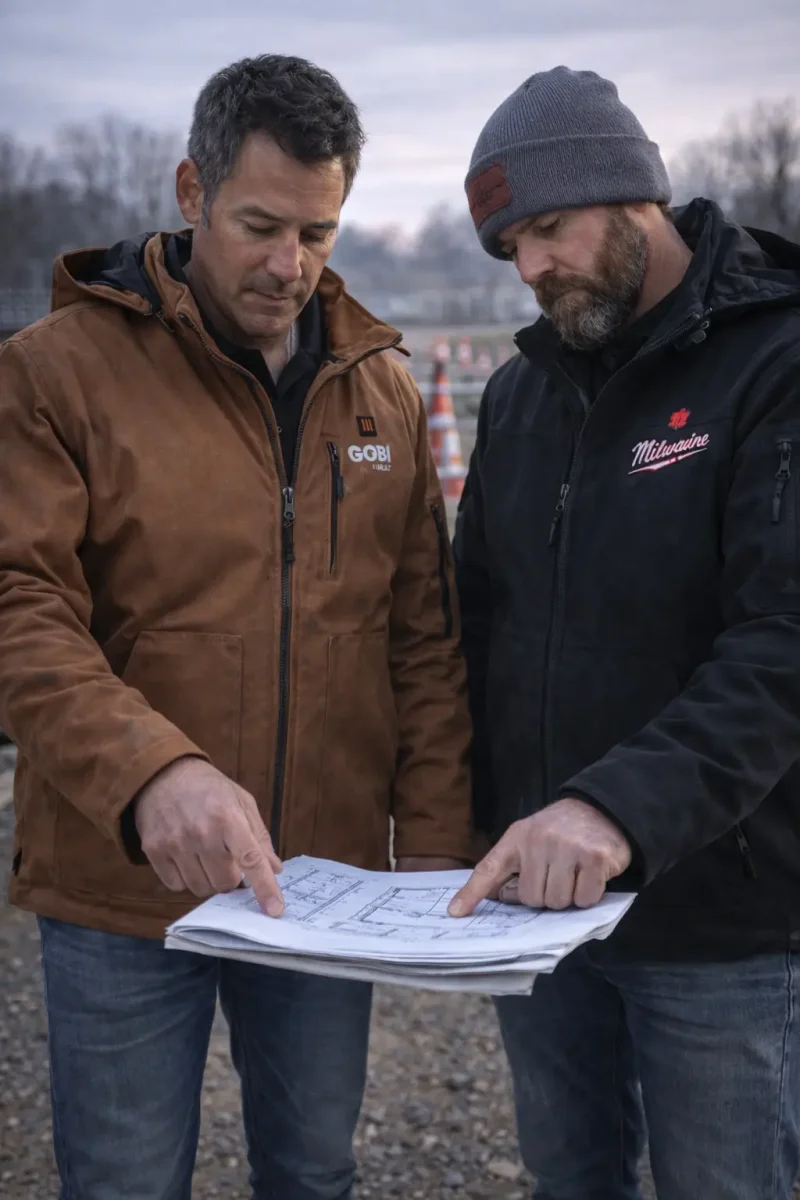
Grit’s fit feels more workwear-structured, while Milwaukee often runs slightly more athletic through the torso. This difference matters when choosing a size for layering and full-day movement, especially if you switch between brands and expect the same shoulder and chest profile.
straighter torso, less taper
more room for base layers
built for repetitive reach
consistent midsection protection
For a deeper brand-to-brand breakdown, see the Grit vs Milwaukee heated jacket comparison to align sizing expectations before ordering.
Yes, for most workwear builds it fits true to size. The cut follows standard work jacket proportions through the shoulders and torso, allowing natural movement without feeling oversized. If you typically wear structured workwear brands, your usual size should align with expected fit.
Yes, if you regularly wear thick mid-layers in freezing conditions. The jacket accommodates a base layer and light mid-layer comfortably, but heavy insulated hoodies may feel restrictive at your normal size. Sizing up helps preserve mobility during bending and overhead work.
No, it is not tight for standard work builds. The shoulder profile allows arm movement without pulling across the upper back during lifting or reaching. Most restriction concerns come from over-layering rather than the jacket’s core shoulder construction.
Grit generally fits slightly more structured through the torso compared to Milwaukee’s more relaxed feel. Workers transitioning between brands should expect similar shoulder room but a cleaner midsection profile. Choosing your normal size typically maintains consistent movement across job-site tasks.
The Grit heated jacket fit is consistent with standard workwear sizing and performs reliably under real job-site movement and layering. It is best for workers who want structured shoulder room, balanced weight, and predictable sizing across long shifts. If fit and comfort matter during full workdays, choosing your normal size is a practical place to start.