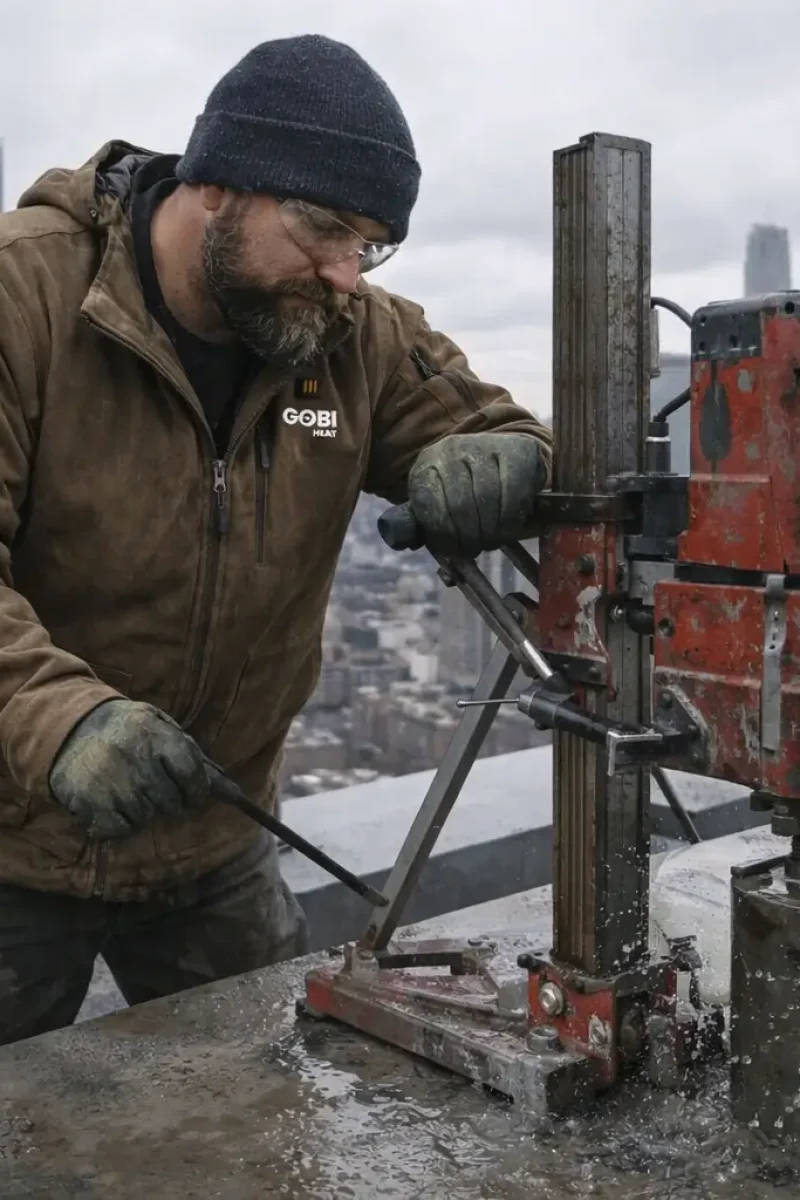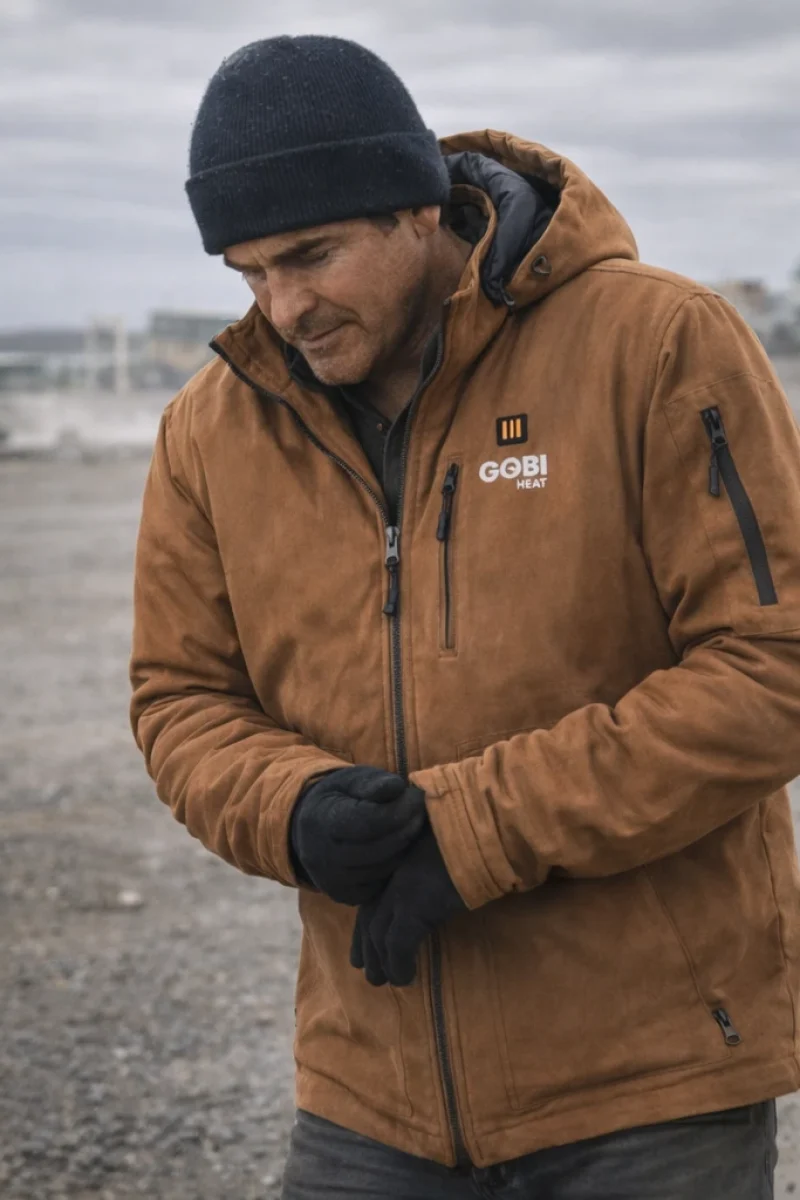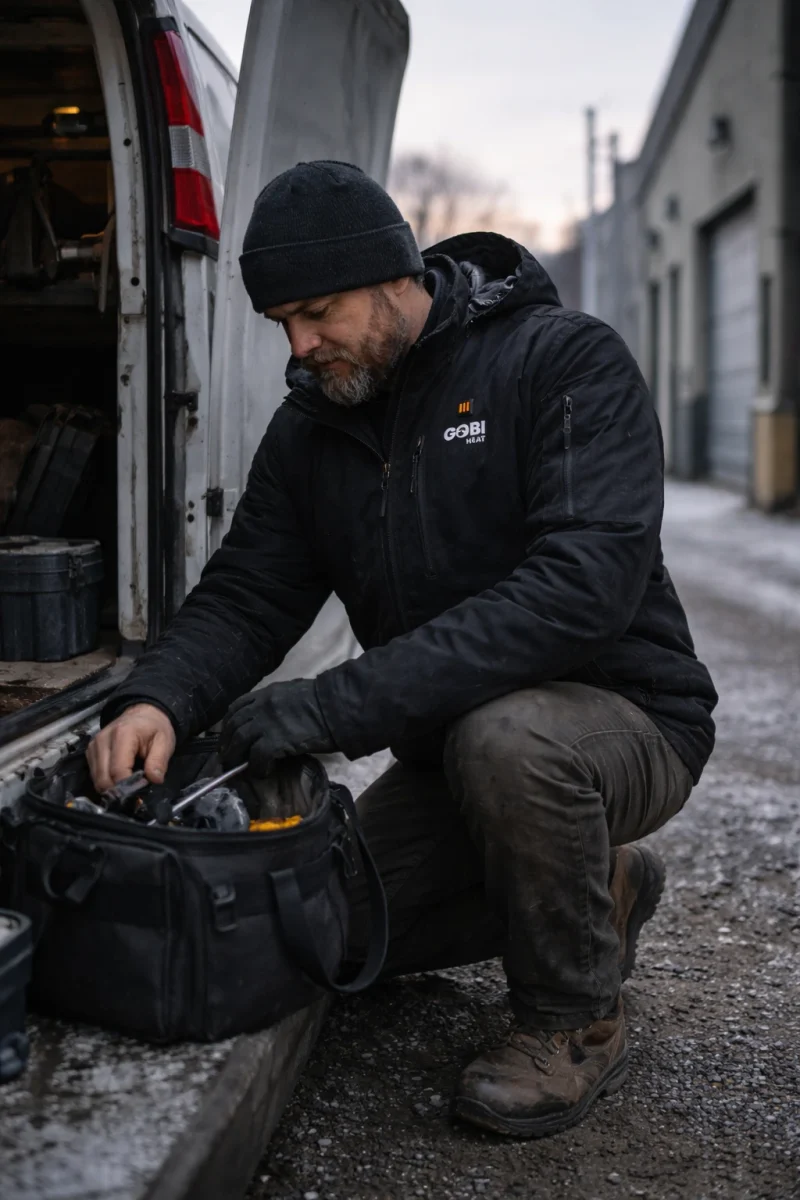
How warm is the Grit heated jacket in real winter conditions? It delivers steady warmth during prolonged outdoor exposure by protecting the core and reducing heat loss when wind chill and early morning winter shifts overwhelm standard layers.
This evaluation looks at the Grit Heated Work Jacket the way a job site does. Warmth is measured by multi-hour performance in snow and freezing rain, how battery-assisted insulation holds heat over time, and whether core warmth stays balanced during standing versus active work, not first-hour impressions or indoor tests.
Below, we show how this warmth claim is proven through real cold exposure, wind impact, and long-shift performance based on practical use, not specs on paper.
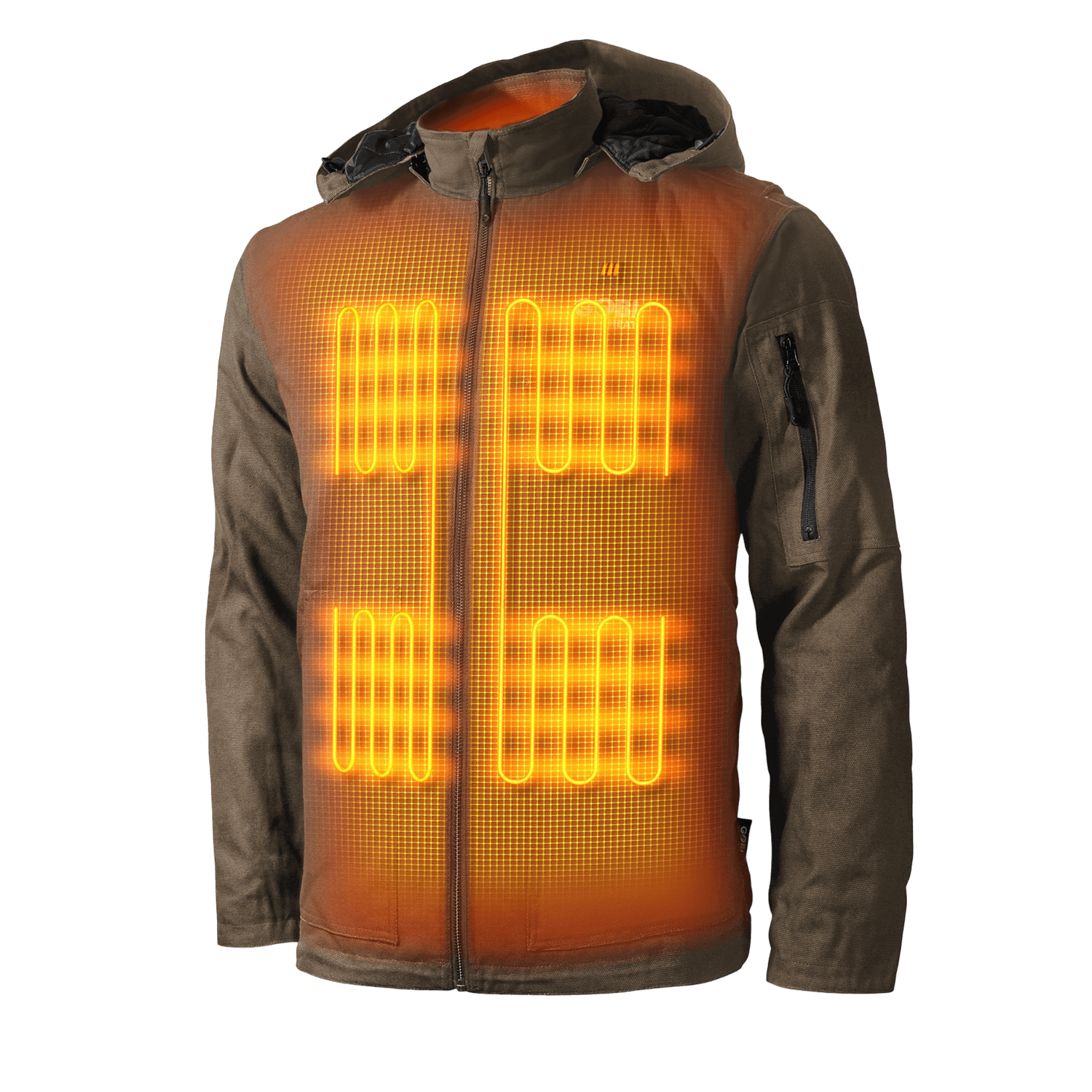
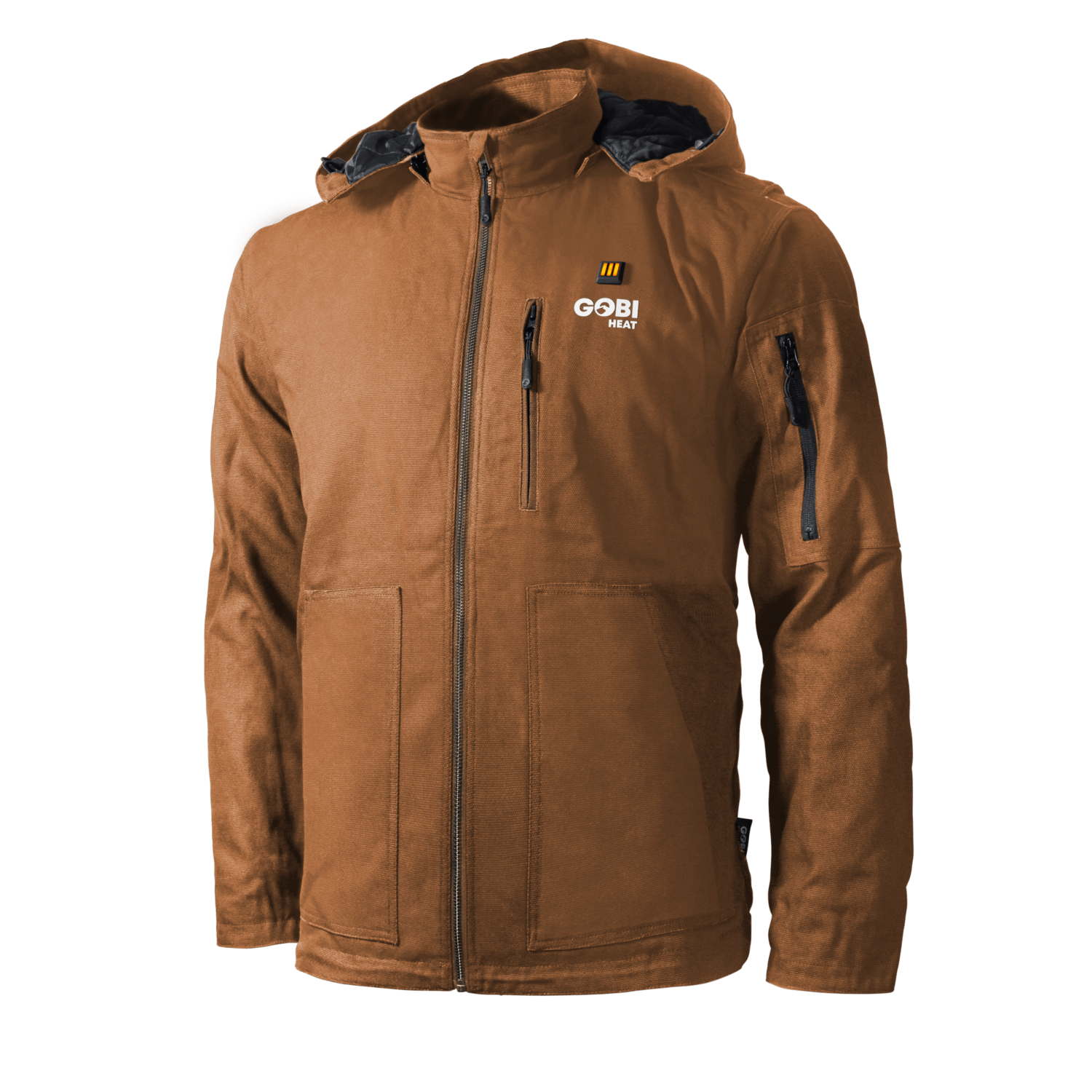
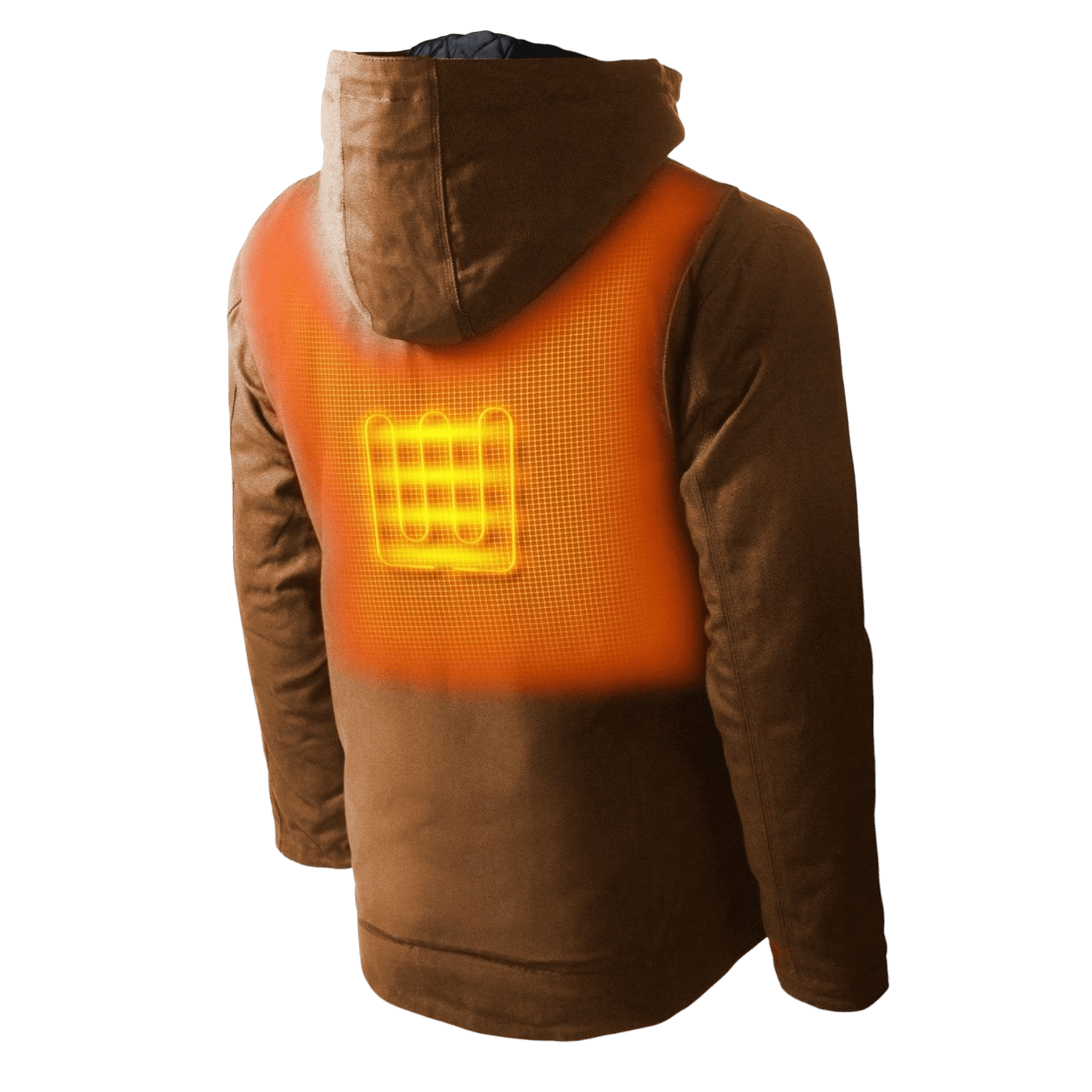
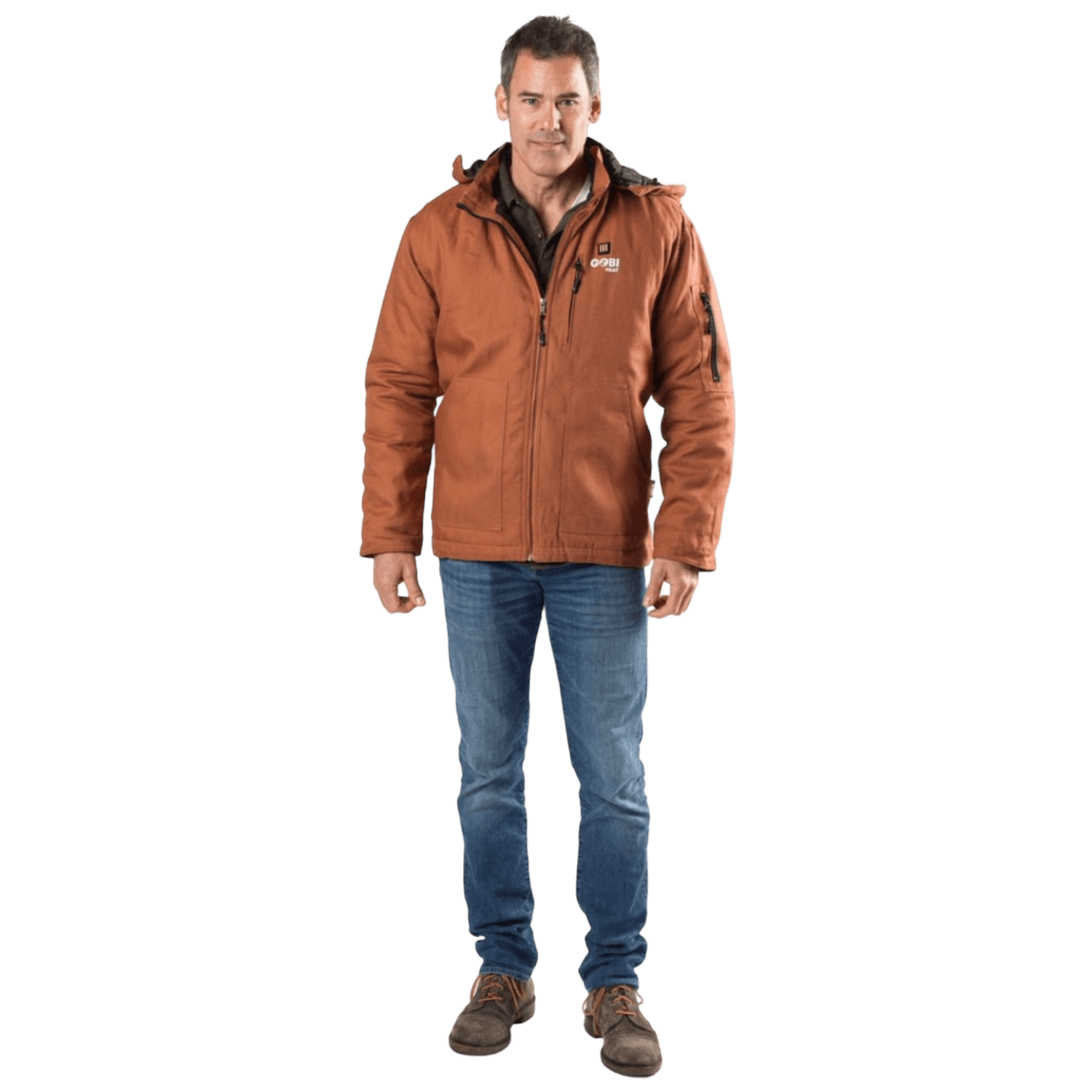
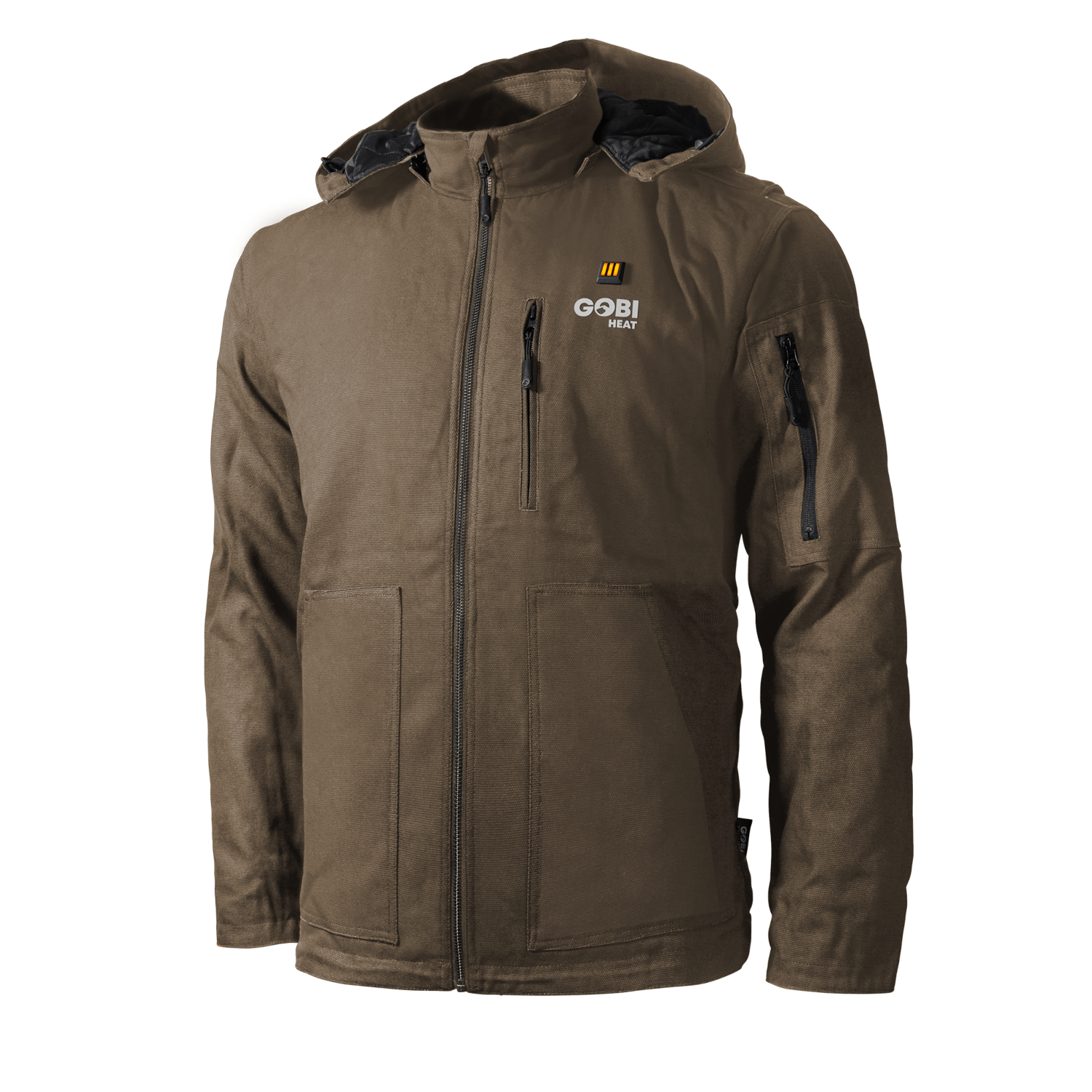
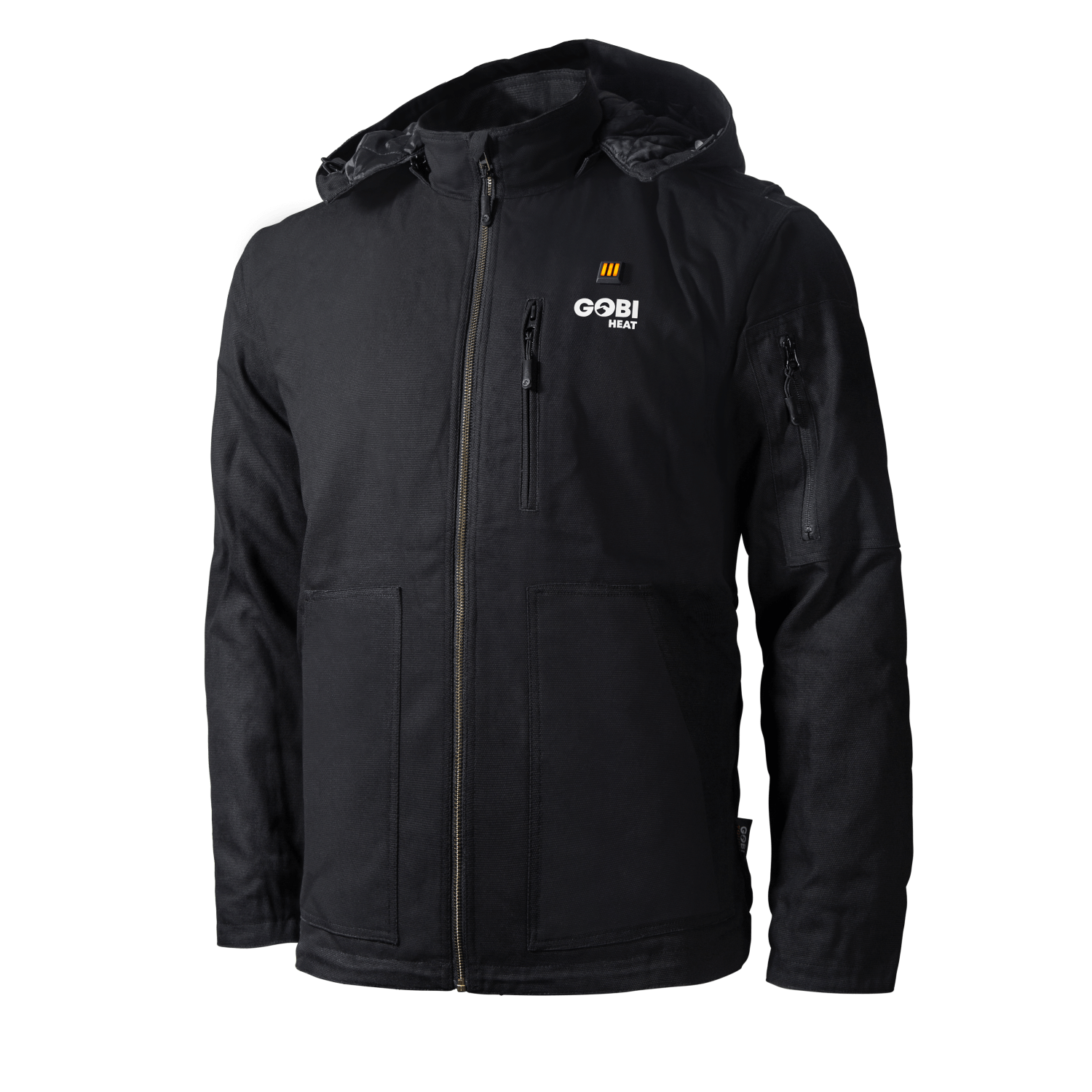
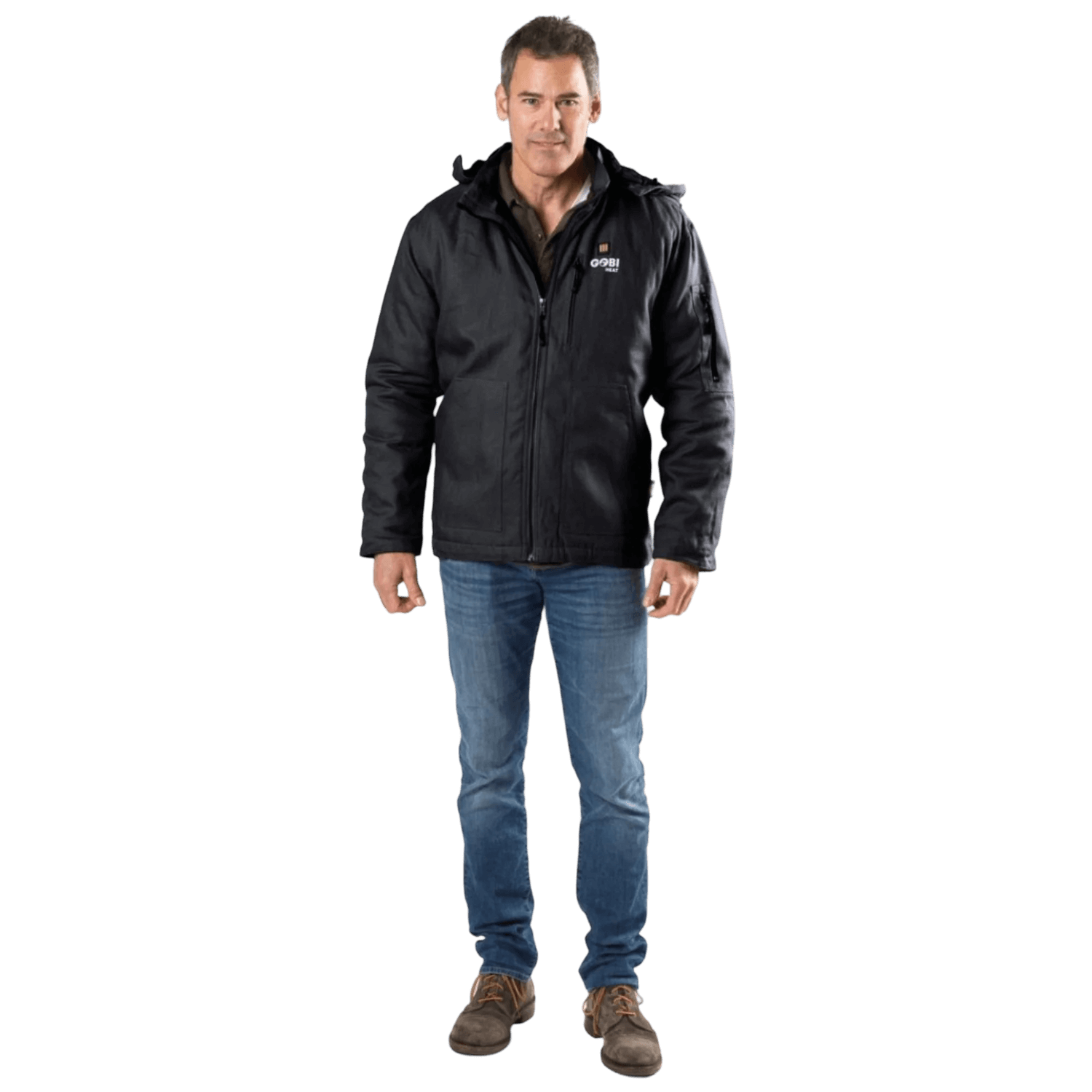
The Grit Heated Work Jacket performs well here if it can maintain core warmth without constant heat adjustments during prolonged outdoor exposure, especially compared to other best heated jackets designed for winter work. This section looks at sustained cold exposure, wind chill, and heat retention over time to show how it holds up during long winter shifts in real job-site conditions.
This jacket maintains steady warmth over multiple hours outside, which matters for workers facing prolonged outdoor exposure without constant movement. Consistent heat helps prevent cold buildup during early morning winter shifts when layered workwear systems often fall short.
that holds steady as hours pass outdoors
even during long winter exposure
once the shift is underway
without constant temperature distractions
Over full shifts, sustained warmth depends on how long heat can be maintained rather than how strong it feels at first, which is where understanding Grit heated jacket battery life becomes critical for long-term cold protection.
The Grit Heated Work Jacket performs well here if it can maintain usable warmth and comfort stability as temperatures move beyond standard winter conditions. This section looks at heat consistency, comfort balance, and performance reliability as cold intensifies during prolonged outdoor exposure and early morning winter shifts.
Wind strips heat faster than cold alone, so real warmth depends on limiting heat loss, not just generating heat. In open job-site conditions, consistent warmth matters most when standing still, working at elevation, or exposed to steady wind chill over time.
even during open-area exposure
without sudden cold drops
where wind hits hardest
between active work periods
Wind performance is where heated jackets separate quickly, and this is often where buyers compare options like the Grit vs Milwaukee heated jacket. Reliable wind resistance directly affects comfort consistency across long, exposed winter shifts.
The Grit Heated Work Jacket performs well here if it can limit heat loss when wind amplifies cold exposure during outdoor work. This section evaluates how wind affects perceived warmth, focusing on real job-site exposure rather than controlled or sheltered environments.
Warmth balance matters when work shifts between movement and stillness throughout the day. Jackets that heat unevenly can feel too warm during activity and too cold when standing still, which becomes uncomfortable and distracting over long winter shifts.
without overheating
between tasks
during movement-to-idle transitions
cold protection overall
Balanced warmth supports all-day wear during prolonged outdoor exposure, especially when standing vs active work alternates frequently. This consistency reduces the need for constant layering adjustments and keeps focus on the job instead of managing body temperature.
Yes, the Grit heated jacket is warm enough for extreme cold when used as intended for outdoor work. It maintains core warmth over prolonged exposure by reducing heat loss and stabilizing temperature during long shifts, especially when paired with appropriate base layers in harsh winter environments.
Yes, the Grit heated jacket can handle sub zero temperatures when conditions demand sustained warmth rather than short bursts of heat. Its design supports heat retention during prolonged outdoor exposure, helping workers stay comfortable during early morning winter shifts and extended time spent in freezing conditions.
Yes, the Grit heated jacket stays warm in high wind by limiting heat loss caused by wind chill. This matters most on open job sites where exposure is constant, allowing core warmth to remain stable during standing tasks, elevated work, or periods of reduced movement.
The Grit heated jacket begins to struggle only when conditions exceed what layered workwear systems are designed to handle. In typical winter job-site environments, including snow and freezing rain, it continues delivering usable warmth as long as expectations match prolonged outdoor work rather than static survival scenarios.
So, how warm is the Grit heated jacket in real winter conditions? It delivers consistent, dependable warmth that holds up during prolonged outdoor exposure without relying on short bursts of heat. This jacket is best suited for workers facing long winter shifts that alternate between movement and stillness in cold, exposed environments. If you need steady warmth you can rely on, this breakdown should help you decide if it fits your work demands.
Football is my first love and I’ll play until my legs fall off. If you want to follow my journey, feel free to check out my pictures and videos. Look forward to more!